

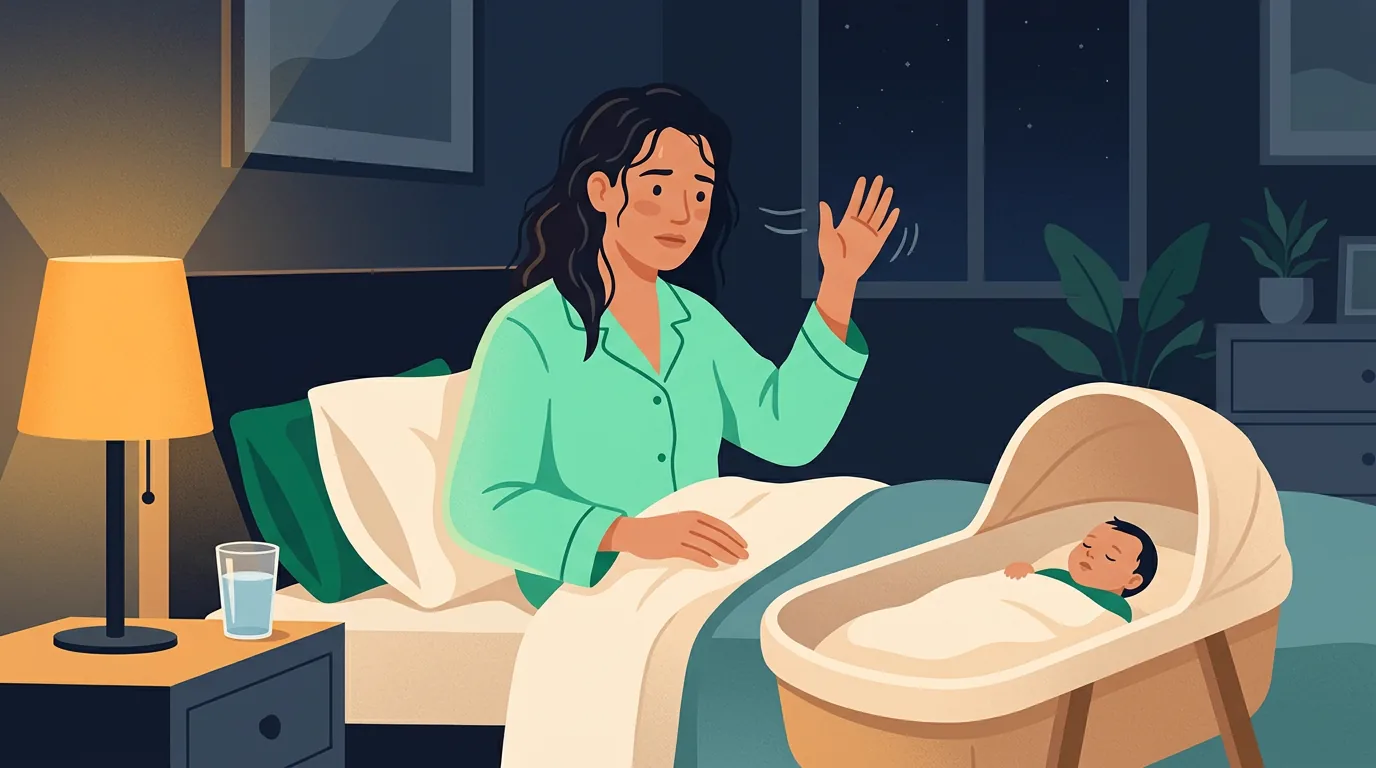
You’ve just had a baby, and now you’re waking up drenched, changing your pajamas at 3 a.m. between feeds. Postpartum night sweats can feel alarming, but they’re a common part of recovery.
This guide explains why they happen, how long they usually last, simple ways to cope, and the warning signs that mean you should call a doctor.
Key takeaways
- Night sweats after birth are common and are linked to hormone changes. NHS guidance says they’re usually worst in the first couple of weeks.
- In a study of 429 women, 29% had hot flashes after giving birth, peaking 2 weeks after delivery.
- A fever of 100.4°F (38°C) or higher after giving birth is a warning sign. The CDC says to get medical care right away.
Are postpartum night sweats normal?
Yes, for most people. Postpartum night sweats are linked to the big hormone changes after birth, and NHS guidance says they tend to be worst in the first couple of weeks. They can last longer, especially if you’re breastfeeding. Sweats that come with a fever or feeling unwell are different and need a doctor.
Why they happen
The Just One Norfolk NHS service says hormone changes after pregnancy can cause night sweats, where you wake in the night sweating a lot. You may sweat during the day too.
Hot flashes are part of the same picture. A 2013 study in Fertility and Sterility followed 429 women through pregnancy and the year after birth. It found 29% had hot flashes after delivery, describing them as most common at times of big hormone change, like pregnancy and menopause.
How long they last
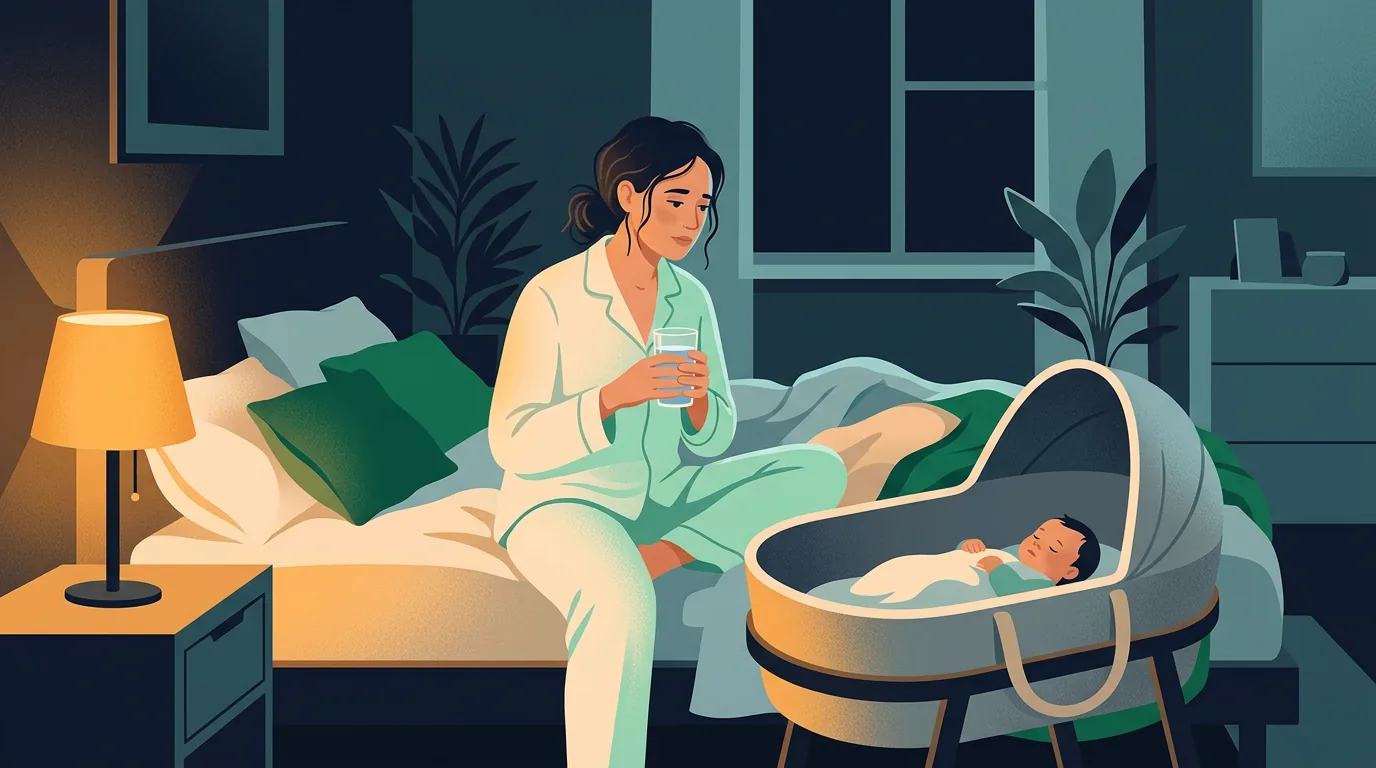
NHS guidance says postpartum sweating tends to be worse in the first couple of weeks after birth, but can last longer, particularly if you’re breastfeeding. In the 2013 study, hot flashes after birth peaked at week 2 and declined after that.
| Time after birth | What is common | What to do |
|---|---|---|
| First 2 weeks | Night sweats are often at their worst (NHS) | Stay hydrated; keep dry clothes nearby |
| After 2 weeks | Sweats usually ease, but can carry on, especially while breastfeeding | Keep track of how often they happen |
| Any time | Sweats with a fever, chills or feeling unwell | Call your doctor or midwife |
Ways to cope at night
You can’t switch the hormones off, but you can make postpartum night sweats easier to live with. These tips start with NHS advice:
- Drink plenty of fluids to stay hydrated, especially if you’re breastfeeding.
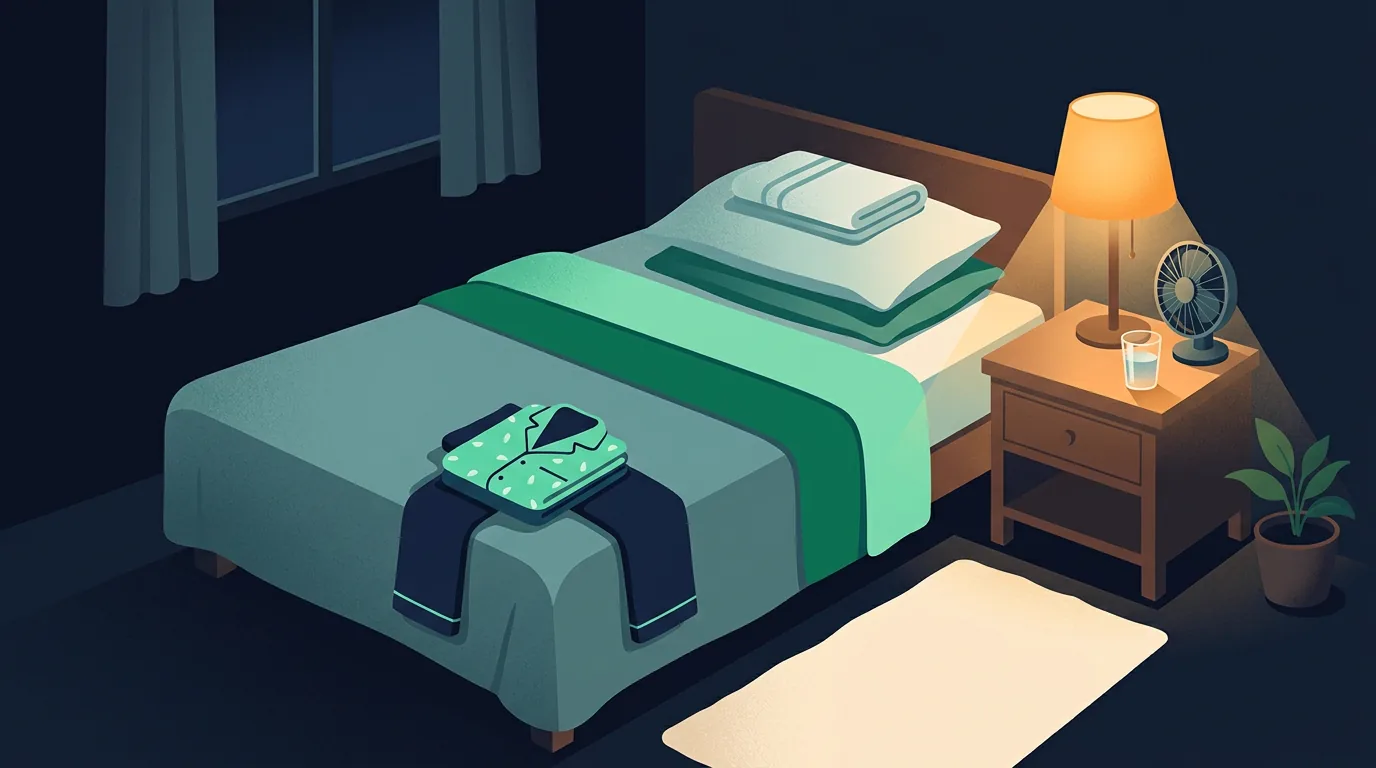
- Put a towel on the bed and keep spare nightclothes close, so you can get dry and warm quickly.
- Wear light, breathable layers and use lighter bedding you can kick off.
- Keep the bedroom cool with a fan or an open window, if it’s safe for your baby.
Broken sleep is part of life with a newborn. Our guide to core sleep explains the stages of sleep and why getting enough matters.
Night sweats and your mood
The 2013 study also found that women with more symptoms of depression were more likely to have hot flashes after birth. That doesn’t mean sweats cause depression, but it’s a good reason to check in with yourself.
The Office on Women’s Health says the baby blues usually go away within a few days. Postpartum depression usually starts within the first month, lasts longer, is more severe and may need treatment. It says 1 in 8 new mothers report symptoms in the year after childbirth. Talk to your doctor if low mood, hopelessness or crying spells last more than 2 weeks.
Need help now?
In the US, call or text 988 (988 Suicide & Crisis Lifeline) or chat at 988lifeline.org. In Australia, call Lifeline on 13 11 14 or text 0477 13 11 14. Elsewhere, contact your local crisis line. If someone is in immediate danger, call 911, 000 or your local emergency number.
In the US, you can also call or text the National Maternal Mental Health Hotline at 1-833-TLC-MAMA (1-833-852-6262), free and open 24/7.
When to call a doctor
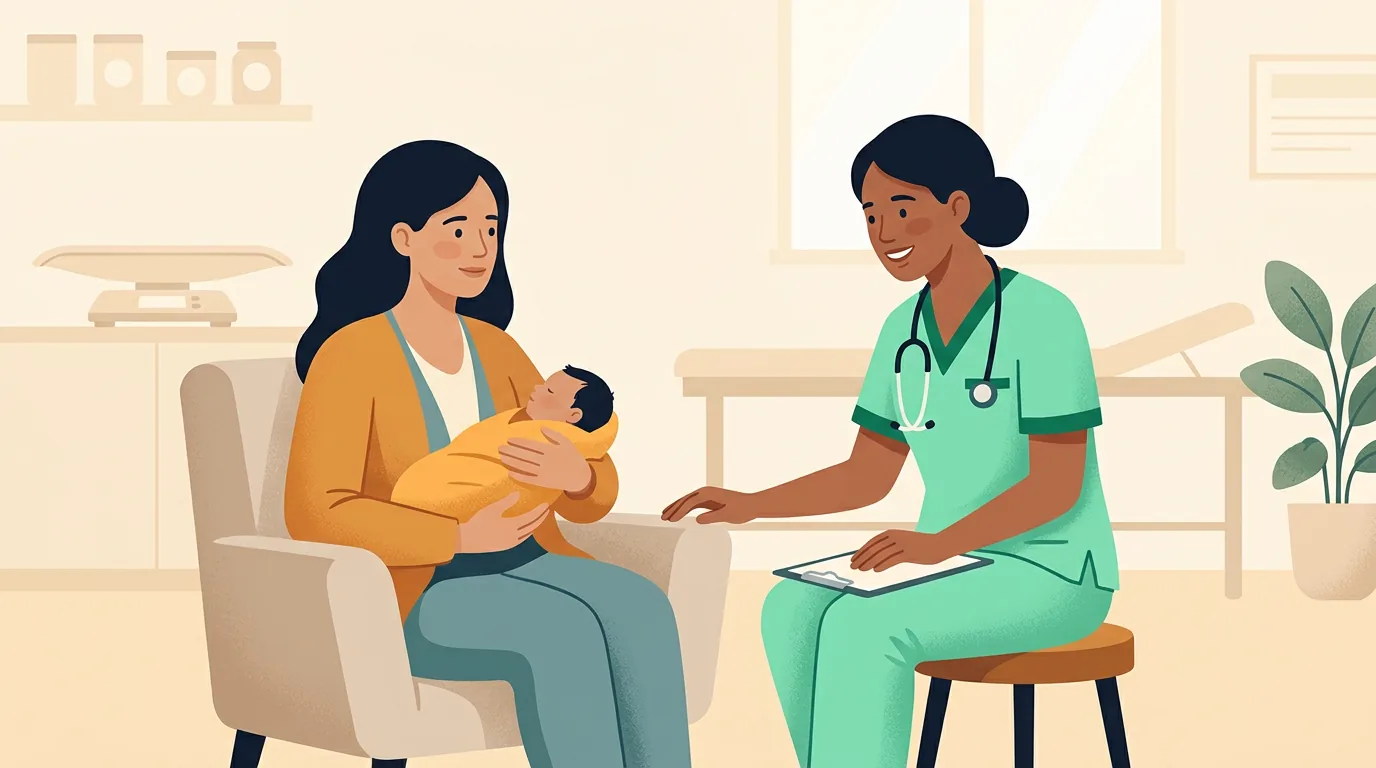
Most postpartum night sweats are a normal part of recovery. Speak to your doctor if you feel unwell with the sweats, or if they’re a big problem or go on for a long time, NHS guidance says, because sometimes they’re a sign of something else.
The CDC lists urgent warning signs in the year after giving birth. Get medical care right away if you have:
- A fever of 100.4°F (38°C) or higher
- A headache that won’t go away or gets worse, dizziness, fainting or changes in vision
- Trouble breathing, chest pain or a fast-beating heart
- Severe belly pain, or severe nausea and vomiting
- Vaginal bleeding or discharge after pregnancy
- Severe swelling, redness or pain in a leg or arm
- Extreme swelling of your hands or face, or overwhelming tiredness
- Thoughts of harming yourself or your baby
If it feels like an emergency, call 911 or your local emergency number.
Frequently asked questions
How long do postpartum night sweats last?
NHS guidance says they tend to be worse in the first couple of weeks after birth but can last longer, especially if you are breastfeeding. In a 2013 study, hot flashes after birth peaked at week 2 and declined after that.
Can breastfeeding cause night sweats?
Night sweats can last longer if you are breastfeeding, NHS guidance says. Drink plenty of fluids to stay hydrated, and keep a towel and spare nightclothes handy so you can get dry quickly during night feeds.
When should I worry about night sweats after birth?
Call your doctor if you feel unwell with the sweats, or if they are severe or long-lasting. The CDC says a fever of 100.4°F (38°C) or higher after giving birth is an urgent warning sign that needs medical care right away.
Are postpartum hot flashes normal?
They are common. In a study of 429 women, 29% reported hot flashes after delivery, most often around 2 weeks after birth. Hot flashes tend to happen at times of big hormone change, like after pregnancy and in menopause.
What postpartum symptoms should not be ignored?
The CDC lists urgent warning signs including fever of 100.4°F or higher, a headache that won’t go away, vision changes, trouble breathing, chest pain, severe belly pain, heavy bleeding, leg swelling or pain, and thoughts of harming yourself or your baby.
Can night sweats be a sign of postpartum depression?
Night sweats themselves are usually hormonal, but a 2013 study found hot flashes after birth were more common in women with more depressive symptoms. If low mood lasts more than 2 weeks, talk to your doctor.
When are you no longer considered postpartum?
There is no single cut-off, but the CDC applies its urgent maternal warning signs to the year after delivery. Many check-ups and symptoms focus on the first weeks, so keep talking to your doctor about anything that worries you.
The bottom line
Postpartum night sweats are common and linked to hormone changes after birth. They’re usually worst in the first couple of weeks and can last longer while breastfeeding. Stay hydrated and keep dry clothes nearby. Call your doctor if you feel unwell or have a fever of 100.4°F (38°C) or higher, and get help if your mood stays low for more than 2 weeks.
Related reading
- Weird pregnancy cravings: what they mean
- Benefits of prenatal vitamins while not pregnant
- Vitamins for menopause fatigue