

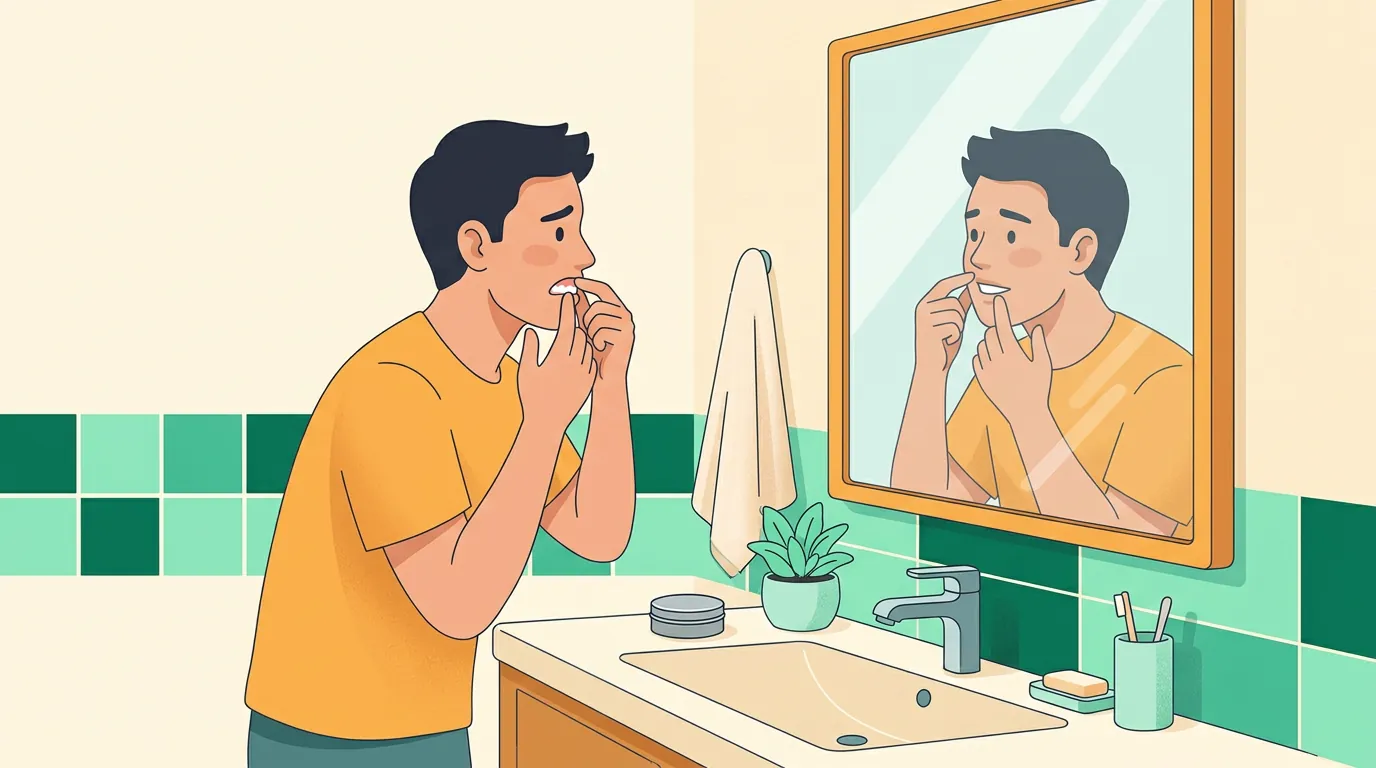
Nicotine pouches side effects are easy to overlook, because pouches look clean and simple. There’s no smoke, no vapor and no spitting. Some people use them instead of vaping or smoking, and some start with pouches first.
But “tobacco-free” doesn’t mean harmless. Here’s what the CDC, the FDA and the World Health Organization (WHO) say, what users report, what nobody knows yet, and how to quit if you want to.
Key takeaways
- The CDC says there are no safe tobacco products, including nicotine pouches, and that nicotine is highly addictive.
- In a small survey of adult users, the problems reported most were mouth sores, an upset stomach and a sore mouth.
- FDA authorization of some Zyn products doesn’t mean they’re safe or “FDA approved,” and pouches aren’t an approved way to quit.
Nicotine pouches side effects at a glance
The most common nicotine pouches side effects show up in the mouth and stomach: sores or white patches where the pouch sits, gum irritation, dry mouth, an upset stomach and nausea. The bigger risk is nicotine itself. It’s highly addictive, can harm brain development until about age 25, and is dangerous before birth and for young children.
What nicotine pouches are
The CDC describes nicotine pouches as small microfiber pouches filled with a powder made of nicotine, flavorings and other ingredients. You tuck one between your lip and gum, and nicotine is absorbed through your gums and the lining of your mouth.
In January 2025, the FDA authorized 20 Zyn products in 3 mg and 6 mg strengths for adults 21 and older. The FDA said they have much lower levels of harmful chemicals than cigarettes and most smokeless tobacco. It also said plainly that this doesn’t mean they’re safe or “FDA approved.”
Strengths vary a lot between brands. WHO’s first global report on nicotine pouches, released in May 2026, found some brands sold in “beginner,” “advanced” and “expert” levels. It warned that pouches should not be seen as risk-free.
Common side effects
In your mouth
Many nicotine pouches side effects start where the pouch sits. A 2024 systematic review in BMC Oral Health found that changes to the lining of the mouth at that spot were common among users. They ranged from slight wrinkling to white patches, and seemed linked to how many pouches people used each day and for how long.
Other mouth problems in the review included dry mouth, soreness, blisters on the gums and an odd feeling in the jaw. But the review was small: only 3 studies with 190 people, all at high risk of bias. So we know these problems happen, but not how often, or how serious they get over years.
In your stomach
Some nicotine pouches side effects show up in your gut. In a 2024 survey of 118 adults who used pouches, published in Nicotine & Tobacco Research, people reported:
- mouth sores or lesions: 48%
- an upset stomach: 39%
- a sore mouth: 37%
- a sore throat: 21%
- nausea: 9%
This was a small online survey, not a random sample of all users, so real rates could be higher or lower. The same group also showed high levels of nicotine dependence.
Nicotine pouches side effects by type
| Side effect | What you might notice | What we know |
|---|---|---|
| Mouth changes | Wrinkled, white or sore spots where the pouch sits | Common in a 2024 review; seems tied to how much and how long you use |
| Gum irritation | Blisters or soreness on the gums | Reported in the 2024 review; long-term effects unclear |
| Dry or sore mouth and throat | Dryness, soreness, a sore throat | 37% reported a sore mouth and 21% a sore throat in a small survey |
| Upset stomach | Stomach ache, feeling sick | 39% reported an upset stomach and 9% nausea in the same survey |
| Dependence | Cravings, using more, finding it hard to stop | The CDC says nicotine is highly addictive |
| Heart and blood vessels | Often nothing you can feel | WHO says nicotine use increases cardiovascular risk |
Addiction and your brain
The nicotine pouches side effects you can feel are only part of the story. The CDC says nicotine is highly addictive and can harm brain development, which continues until about age 25. Teens who use nicotine may be at higher risk of addiction to other drugs later.
WHO adds that nicotine use increases the risk of heart and blood vessel disease. The CDC also warns that nicotine is toxic to developing babies, so people who are pregnant should not use pouches.
In the 2024 National Youth Tobacco Survey, 1.8% of US middle and high school students said they currently used nicotine pouches, the CDC and FDA report.
Signs of too much nicotine
MedlinePlus says nicotine poisoning most often happens in young children, but anyone who takes in too much nicotine can get sick. Signs include:
- stomach cramps and vomiting
- headache and weakness
- a pounding or racing heartbeat (palpitations)
- feeling agitated, restless or confused
- drooling or a burning feeling in the mouth
- muscle twitching
- trouble breathing, seizures or fainting
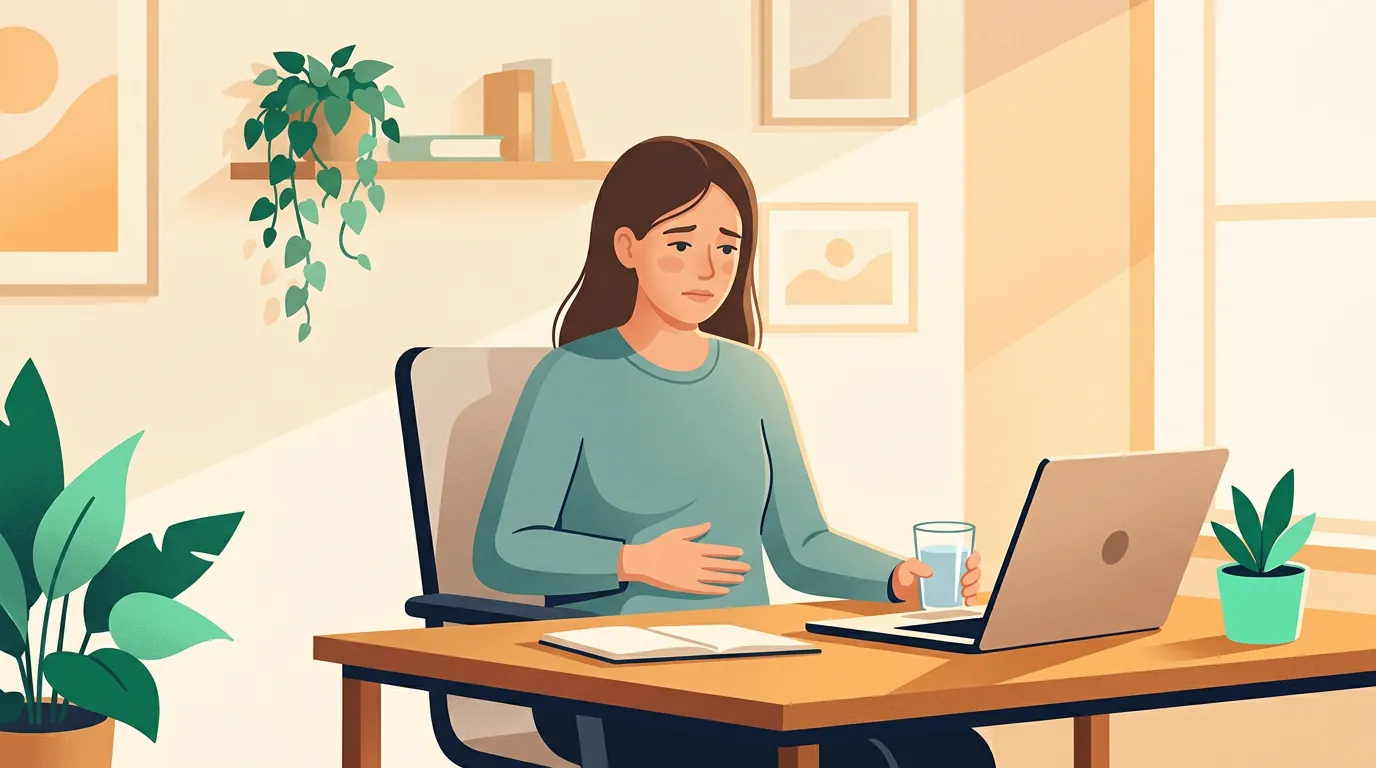
If someone has these signs, get medical help right away. In the US, call Poison Help at 1-800-222-1222, or 911 in an emergency. Elsewhere, call your local emergency number. Don’t make the person vomit unless poison control tells you to.
Keep pouches away from children
Pouches are small, flavored and easy for a toddler to grab. A 2025 study in Pediatrics looked at calls to US poison centers. Reports of children under 6 swallowing nicotine pouches rose by 763% from 2020 to 2023.

Pouch cases were also more likely than other nicotine products to lead to a serious medical outcome or a hospital stay. MedlinePlus notes that just 1 to 2 mg of nicotine has been linked with signs of poisoning in young children. The authorized Zyn pouches contain 3 or 6 mg each.
- Store tins up high and out of sight, and close the lid every time.
- Throw used pouches in a bin with a lid, not an open trash can.
- Don’t leave pouches in a bag, coat pocket or car where kids can reach them.
- If a child swallows a pouch, call Poison Help at 1-800-222-1222 right away (US).
Are nicotine pouches safe?
No. The CDC says there are no safe tobacco products, including nicotine pouches, and that people who don’t use tobacco shouldn’t start. The FDA agrees that authorization doesn’t make a product safe.
For an adult who smokes, the FDA’s review found that authorized Zyn pouches have far fewer harmful chemicals than cigarettes. But a 2025 research review found that nicotine levels and ingredients vary widely between brands. Some products contain harmful substances such as formaldehyde, chromium and nitrosamines, and long-term safety is still uncertain.
What about pouches versus vaping? The health sources we checked don’t compare the two directly. Both deliver addictive nicotine, and the CDC says pouches are not an FDA-approved way to quit smoking.
How to quit Zyn and other pouches
Quitting pouches means quitting nicotine, so expect some withdrawal. The National Cancer Institute lists cravings, irritability, trouble focusing, poor sleep, restlessness, anxiety, low mood and a bigger appetite. Symptoms are usually worst in the first week, peak in the first 3 days, and ease over the first month.

- Pick a quit date and tell someone you trust.
- Ask a doctor or pharmacist about quit medicines. The CDC says combining medicine with counseling can more than double your chances of quitting, based on smoking research.
- Call 1-800-QUIT-NOW for free, confidential coaching in the US. Outside the US, look up your national quitline.
- Know your triggers, such as after meals, driving or stress, and plan a swap like sugar-free gum or a short walk.
- Clear out tins at home, in the car and in your bag.
Quitting vaping and pouches together? Our 5-step guide to quitting vaping walks you through a plan, and our guide to nicotine cravings has ways to ride them out.
When to see a doctor or dentist
See a dentist or doctor if nicotine pouches side effects don’t go away, or if you notice:
- A sore, white patch or lump in your mouth that doesn’t heal or keeps coming back
- Gums that bleed, pull back or stay sore
- You’re pregnant or planning a pregnancy and use nicotine
- You want help to quit, or you’ve tried before and couldn’t
Call 911 or your local emergency number for chest pain, a racing heartbeat with fainting, or trouble breathing. If a child may have swallowed a pouch, call Poison Help at 1-800-222-1222 right away.
Frequently asked questions
What are the most common nicotine pouches side effects?
Users most often report mouth sores or white patches where the pouch sits, a sore mouth, gum irritation, dry mouth, an upset stomach, a sore throat and nausea. Nicotine itself is highly addictive, the CDC says, and can harm brain development in young people and in babies before birth.
Are nicotine pouches safer than vaping?
The health sources we checked don’t compare the two directly, so nobody can say for sure. Both deliver addictive nicotine. The CDC says no tobacco product is safe, and the FDA says authorized Zyn pouches are lower in harmful chemicals than cigarettes, not that they’re safe.
Can Zyn cause stomach problems?
Some users report them. In a 2024 survey of 118 adult pouch users, where Zyn was the most used brand, 39% reported an upset stomach and 9% nausea, among the more common nicotine pouches side effects. Cramps and vomiting can also signal too much nicotine, so get help if they’re severe or come with a racing heart.
Do nicotine pouches cause cancer?
It isn’t known yet. The FDA found authorized Zyn pouches have far fewer harmful chemicals than cigarettes, which suggests a lower cancer risk than smoking. But a 2025 research review found some pouch products contain harmful substances such as nitrosamines and formaldehyde, and long-term safety is still uncertain.
Is it safe to quit Zyn cold turkey?
Stopping all at once is a common way to quit. Expect withdrawal: the National Cancer Institute says symptoms such as cravings and irritability peak in the first 3 days and usually ease over the first month. Quit medicines and free coaching can make it easier. Talk to a doctor if you’re pregnant or have a health condition.
Can nicotine pouches damage your gums?
They might. A 2024 systematic review found mouth changes where the pouch sits were common, and some studies reported gum blisters and gums pulling back. The research is small and at high risk of bias, so long-term effects aren’t clear. See a dentist if your gums stay sore or change.
Are nicotine pouches FDA approved?
No. In January 2025, the FDA authorized 20 Zyn products for sale to adults 21 and older, but it said this doesn’t mean they’re safe or “FDA approved.” The CDC adds that nicotine pouches are not an FDA-approved method for quitting smoking.
The bottom line
Nicotine pouches side effects range from mouth sores and an upset stomach to the bigger problem: nicotine addiction. No tobacco product is safe, and pouches are especially risky for teens, during pregnancy and around young children. If you want to stop, free coaching and quit medicines can help.
Related reading
- How to quit vaping: a simple 5-step guide
- Vaping withdrawal symptoms: 7 signs and what helps
- Nicotine cravings: how long they last and how to stop them
Sources
- CDC: Nicotine Pouches: What to Know (31 Jan 2025)
- FDA: FDA authorizes marketing of 20 ZYN nicotine pouch products (16 Jan 2025)
- WHO: WHO warns nicotine pouch brands targeting youth as sales surge (15 May 2026)
- MedlinePlus (NIH): Nicotine poisoning
- National Cancer Institute (NIH): Handling nicotine withdrawal and triggers
- CDC: Why calling a quitline can be key to your success
- Rungraungrayabkul D, et al. Nicotine pouches and oral health: a systematic review. BMC Oral Health, 2024
- Dowd AN, et al. A cross-sectional survey on oral nicotine pouches. Nicotine Tob Res, 2024
- Olivas M, et al. Nicotine ingestions among young children: 2010–2023. Pediatrics, 2025
- Al-Otaibi HM, et al. Nicotine pouches: a narrative review of the existing literature. Front Public Health, 2025