

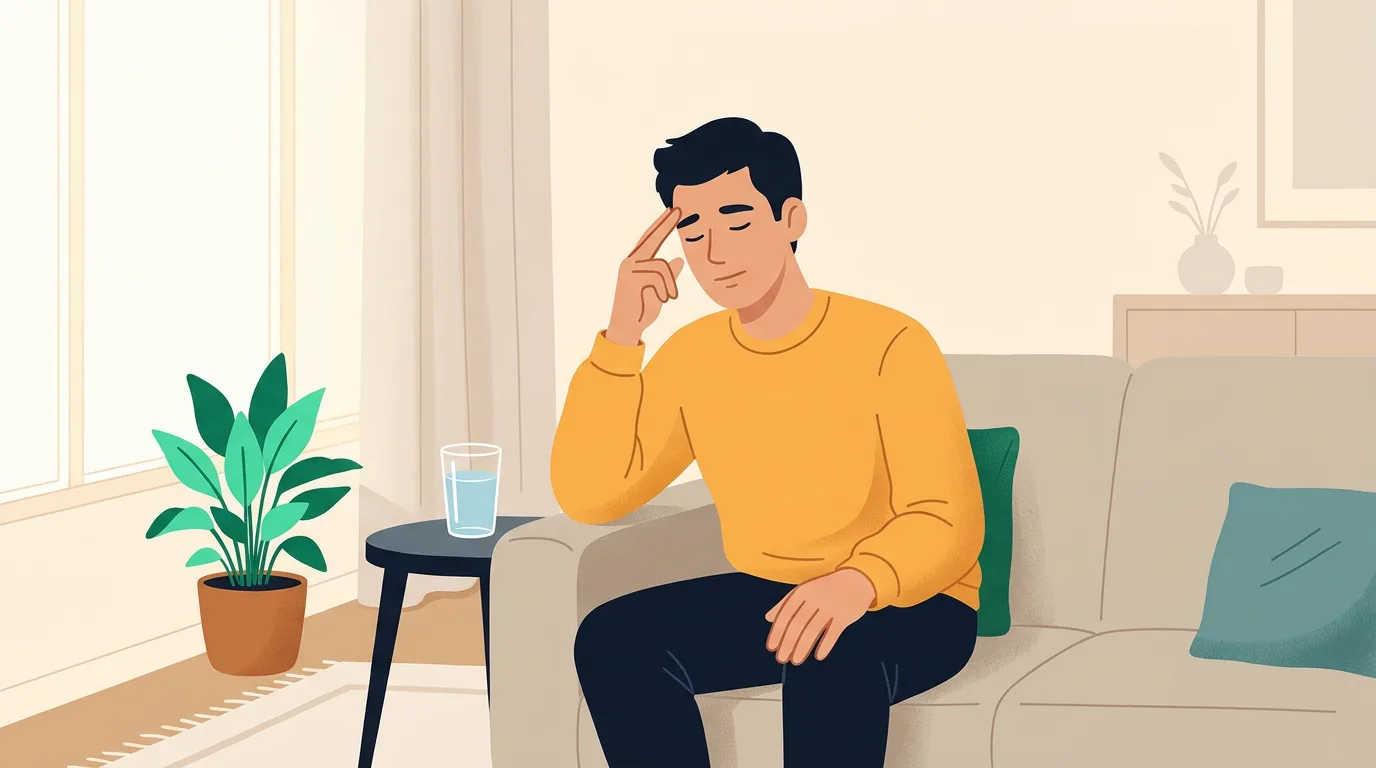
A vaping headache can sneak up on you. Maybe it comes after a long session with your vape. Maybe it shows up a day or two after you quit. Either way, you want to know why it happens and how to make it stop.
This guide covers the 5 most common causes, a simple way to tell them apart, what helps, and the signs that mean you should get help fast. Every fact here comes from the NHS, the CDC, the National Cancer Institute (NCI) or MedlinePlus.
Key takeaways
- The NHS lists headaches as a side effect of vaping, along with a dry mouth and throat and coughing.
- Too much nicotine can cause nicotine poisoning, and MedlinePlus lists headache and vomiting among its signs.
- After you quit, the NCI says headaches are a less common withdrawal symptom that is usually worst in the first week.
Can vaping cause headaches?
Yes. The NHS lists headaches as a side effect of vaping. A vaping headache usually comes from one of five things: too much nicotine, a dry mouth and not drinking enough, nicotine withdrawal when you cut down or quit, other harmful stuff in the vapor, or everyday triggers like stress and skipped meals. Most are mild and pass.
Below, each cause gets its own section, with the clues that point to it and what to try.
1. Too much nicotine
Most vapes contain nicotine, the CDC says, and nicotine is highly addictive. Strengths vary a lot. A strong pod, a long session or chain vaping can give you more nicotine than your body is used to.
Getting too much nicotine can lead to nicotine poisoning. MedlinePlus, from the US National Library of Medicine, lists headache, vomiting, weakness, fainting and seizures among its signs. A vaping headache with a sick stomach right after heavy use is a reason to stop and take it seriously.
If someone faints, has a seizure or can’t stay awake, call 911 or your local emergency number. For other worries about too much nicotine, call Poison Help at 1-800-222-1222 in the US.
2. A dry mouth and thirst
The NHS lists a dry mouth and throat as common side effects of vaping. And the NHS headaches page names not drinking enough fluids as one of the common causes of headaches.
So if your mouth feels dry and you have barely had water all day, a vaping headache may really be a thirst headache. Keep a water bottle with you and sip through the day.

3. Nicotine withdrawal
A headache after quitting vaping is often withdrawal. The National Cancer Institute says headaches, tiredness and dizziness are less common nicotine withdrawal symptoms. The common ones are cravings, irritability, trouble sleeping and restlessness.
The good news is that this kind of vaping headache doesn’t last forever. The NCI says withdrawal is usually worst in the first week, peaking in the first 3 days, and gets weaker over the first month. WHO says symptoms like headaches and dizziness after quitting are only temporary.
This can also happen between vapes. If you are cutting down, or you go a long time without your vape, the same withdrawal feelings can show up for a while.
4. Other stuff in the vapor
Vapor isn’t just water. The CDC says e-cigarette aerosol can contain harmful substances, including cancer-causing chemicals, heavy metals such as nickel, tin and lead, tiny particles that reach deep into the lungs, and flavorings such as diacetyl.
The sources we checked don’t say which of these cause headaches. But they are one more reason not to treat a vape as harmless, and a reason to see a doctor if your headaches keep coming back.
5. Everyday triggers
Sometimes the vape is only part of the story. The NHS lists these common headache causes:
- Stress
- Drinking too much alcohol
- Not drinking enough fluids
- Not eating regular meals
- Poor posture or eyesight problems
- Taking too many painkillers
- Colds or flu
- Periods or menopause
Vaping often goes with late nights, stress and long hours on a screen. A vaping headache might come from all of these at once.
Find your likely cause
Use this table to match your vaping headache to its most likely cause. It is a guide, not a diagnosis.
| When it happens | Likely cause | What to try |
|---|---|---|
| During or right after heavy vaping, maybe with nausea | Too much nicotine | Stop vaping, rest and get fresh air. Get help for fainting or vomiting |
| With a dry mouth, after little water | Thirst | Drink water and keep sipping through the day |
| 1 to 7 days after you quit or cut down | Withdrawal | Water, rest, a short walk, and ride it out. It eases with time |
| After a stressful day or a skipped meal | Everyday triggers | Eat regular meals, take screen breaks, relax |
| Keeps coming back, or keeps getting worse | Unclear | See a doctor |
How to ease a vaping headache
The NHS gives simple steps for most headaches. They work for a vaping headache too:
- Drink plenty of water.
- Rest, and try to relax. Stress can make headaches worse.
- Don’t skip meals.
- Cut back on alcohol and long stretches on a screen.
- Don’t sleep much longer than usual.
- The NHS says you can take paracetamol or ibuprofen. Follow the label, and ask a pharmacist if you take other medicines.
If your vaping headache comes after heavy use, stop vaping for now. The NCI also suggests starting each day with deep breathing and a glass or more of water, and taking a walk when you feel tense.
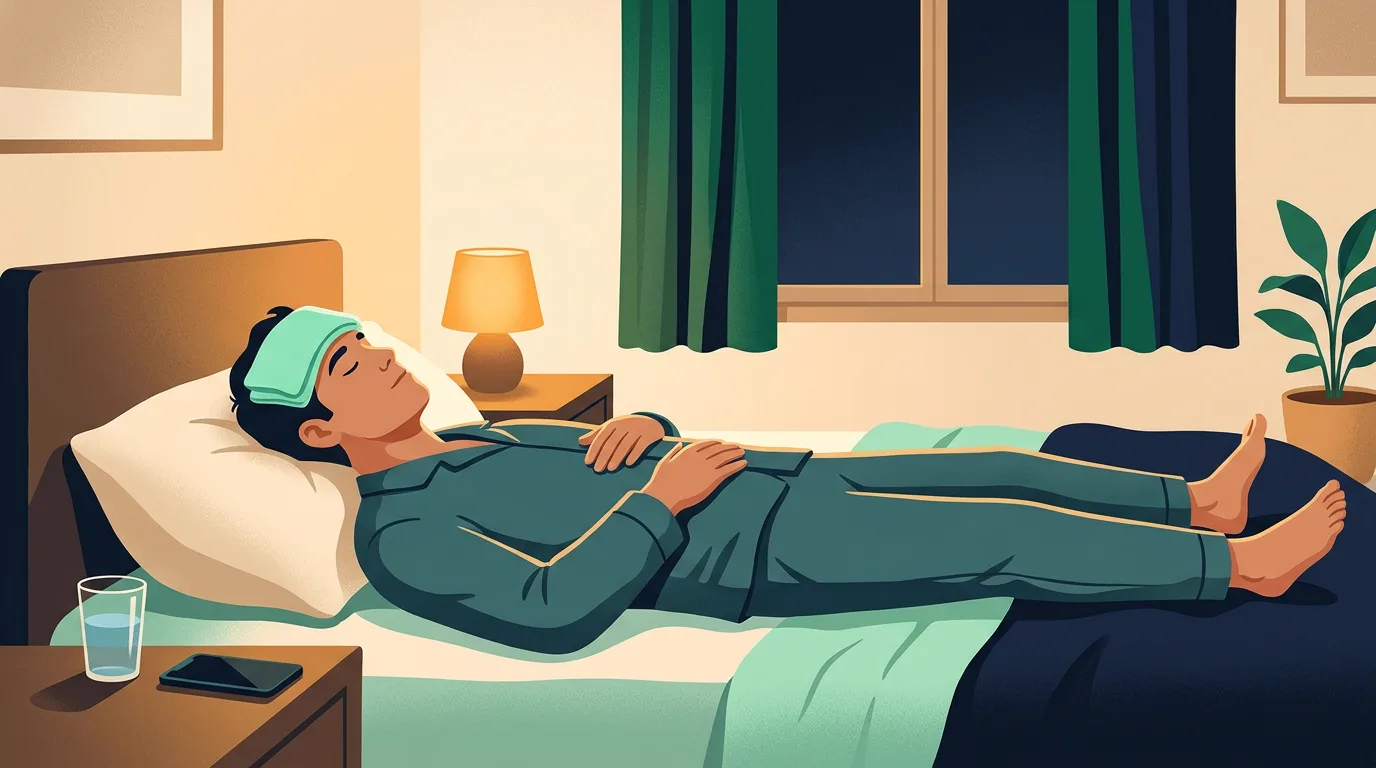
Headache after quitting
A headache after quitting vaping can make you want to vape again. But it’s a sign your body is getting used to life without nicotine. Here is how to get through it:
- Remind yourself it is temporary. The NCI says withdrawal peaks in the first 3 days.
- Drink water, eat small regular meals and get enough sleep. WHO suggests light exercise like brisk walking for tiredness.
- Swap some coffee for ginger or herbal tea, as WHO suggests.
- Ask about quit medicines. The CDC says the FDA has approved 7 medicines to help people quit smoking, and that they can double your chance of quitting for good.
- Call 1-800-QUIT-NOW in the US for free, confidential coaching (CDC). The CDC says quitting vaping is likely similar to quitting smoking.
Our vaping withdrawal symptoms guide covers the other changes you may notice, and our nicotine cravings guide has 12 ways to ride out the urge to vape.
Want a tool in your pocket for the hard moments? I built QuitAce, a quit-vaping app for Android. It has one-tap SOS breathing for cravings, a craving log that shows your triggers, your own recorded reason to quit, and a counter for days and money saved.
When to see a doctor
See a doctor if your vaping headache doesn’t get better with self-care, keeps getting worse, or keeps coming back. Those are the signs the NHS gives for booking an appointment.

Call 911 or your local emergency number if a headache comes with any of these (NHS):
- A seizure (fit), or fainting
- Numbness or weakness in your face or body
- A sudden, extremely painful headache
- Trouble speaking, walking, balancing or remembering
- Drowsiness or confusion, or loss of vision
- A very high temperature, a stiff neck or pain from bright light
- A head injury in the last 3 months
Don’t drive yourself. Ask someone to take you, or call for an ambulance.
Frequently asked questions
Can vaping cause headaches?
Yes. The NHS lists headaches as a side effect of vaping, along with a dry mouth and throat, coughing and mouth irritation. Too much nicotine can also cause a vaping headache, and so can not drinking enough water. Most of these headaches are mild and pass with rest and water.
Why do I get a headache after quitting vaping?
A headache after quitting vaping is usually nicotine withdrawal. The National Cancer Institute says headaches, tiredness and dizziness are less common withdrawal symptoms. Your body is getting used to life without nicotine, and WHO says these symptoms are only temporary.
How long do headaches last after quitting vaping?
There is no exact timeline for everyone. The National Cancer Institute says nicotine withdrawal is usually worst in the first week, peaking in the first 3 days, and gets weaker over the first month. A few people notice symptoms for longer. See a doctor if a headache gets worse or doesn’t go away.
How do I stop dizziness from vaping?
Stop vaping, sit down, breathe slowly and sip some water. Dizziness can be a sign you have had more nicotine than your body is used to. The NCI also lists dizziness as a withdrawal symptom after quitting. Get emergency help if you faint, vomit a lot or have a seizure.
Is a nicotine headache dangerous?
Usually it is mild. But a nicotine headache with vomiting, weakness, fainting or a seizure can be a sign of nicotine poisoning, MedlinePlus says. Call 911 or your local emergency number for those signs. In the US, Poison Help at 1-800-222-1222 can advise on other nicotine worries.
Can vaping trigger migraines?
The health sources we checked don’t say whether vaping triggers migraines. They do say vaping can cause headaches, and that stress, skipped meals, alcohol and not drinking enough are common headache triggers. If you get migraines and vape, talk to your doctor about both.
Is one puff of a vape a day bad?
Health agencies don’t name a safe number of puffs. The CDC says nicotine is highly addictive and that vape aerosol can contain harmful substances like heavy metals and cancer-causing chemicals. Even small daily use can keep nicotine addiction going, which makes quitting harder later.
The bottom line
A vaping headache usually comes from too much nicotine, thirst, withdrawal or everyday triggers like stress and skipped meals. Water, rest, regular meals and a break from vaping help most of the time. A headache after quitting fades as your body adjusts. Get help fast for the warning signs above.
Related reading
- How to quit vaping: a simple 5-step guide
- Vaping withdrawal symptoms: 7 signs and what helps
- Nicotine cravings after quitting vaping: 12 tips
- Cough after quitting vaping: what is normal
Sources
- NHS Better Health: Using vapes to quit smoking
- NHS: Headaches (reviewed 17 Apr 2024)
- CDC: Health Effects of Vaping (31 Jan 2025)
- CDC: Quitting E-Cigarettes (15 May 2024)
- CDC: Why calling a quitline can be key to your success
- National Cancer Institute (NIH): Handling nicotine withdrawal and triggers
- MedlinePlus (NIH): Nicotine poisoning
- WHO Africa: World No Tobacco Day 2021, Commit to quit