

Many people vape to take the edge off stress. So it can be confusing when you feel more anxious, not less. Vaping anxiety is real, and part of it comes from the way nicotine and withdrawal work.
This guide explains what the CDC and NHS say about nicotine and anxiety, what tends to happen when you quit, and 5 ways to cope. Most of this research is about smoking, and we say so where it applies.
Key takeaways
- The CDC says nicotine addiction can harm mental health and be a source of stress.
- Nicotine can feel calming in the short term because it eases withdrawal, not because it treats anxiety, the CDC explains.
- In smoking research, the CDC says anxiety and depression levels are often lower once people have been smoke-free for a few months.
Does vaping cause anxiety?
It can add to it. The CDC says nicotine addiction can harm mental health and be a source of stress, and that nicotine withdrawal can make anxious feelings worse. The calm you feel after a hit is mostly relief from withdrawal. The CDC also says more research is needed on vaping and mental health.
Why vaping anxiety happens
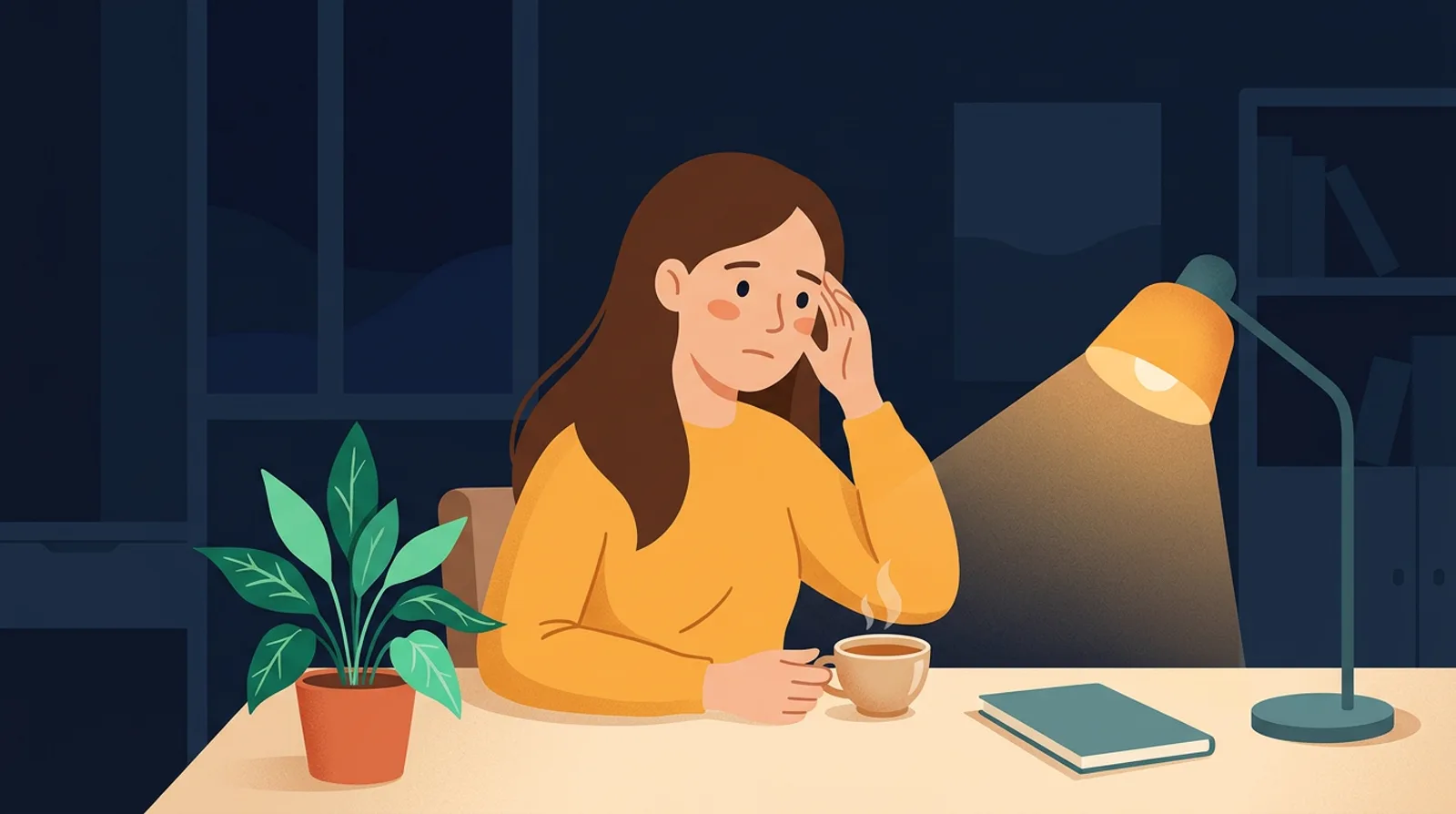
Vaping anxiety often comes from a loop many people get stuck in. Between hits, nicotine levels drop and withdrawal starts. Withdrawal can make you feel irritable, jumpy, restless or anxious, according to the CDC. Then a hit eases those feelings, and it feels like vaping helped.
The CDC puts it plainly for smoking: it might make you feel better in the short term, but that is because the nicotine eases withdrawal, not because it helps with anxiety. The NHS adds that many people mistake withdrawal for everyday stress.
| What it feels like | What is going on |
|---|---|
| A hit calms me down | It eases nicotine withdrawal that built up since your last hit |
| I get tense if I can’t vape | Withdrawal can make you irritable, jumpy or anxious |
| I vape more when I am stressed | Withdrawal can feel like everyday stress, so you reach for another hit (NHS) |
Vaping anxiety after you quit
When you quit, vaping anxiety can rise for a while. The CDC lists feeling anxious, sad or down among common withdrawal symptoms. It says some people have mood changes for a short time after quitting, and that withdrawal symptoms fade over time as the brain gets used to not having nicotine.
There is good news, too, though it comes from smoking research. The CDC says quitting smoking can improve mental health in the long run, and its withdrawal page notes that anxiety and depression levels are often lower once people have been smoke-free for a few months. The NHS says people who quit often feel less anxious once they get past the cravings. The CDC says quitting vaping is likely similar to quitting smoking, because both involve nicotine addiction.
Our guide to vaping withdrawal symptoms covers the other common symptoms, and our quit vaping timeline shows what to expect over time.
5 ways to cope with vaping anxiety
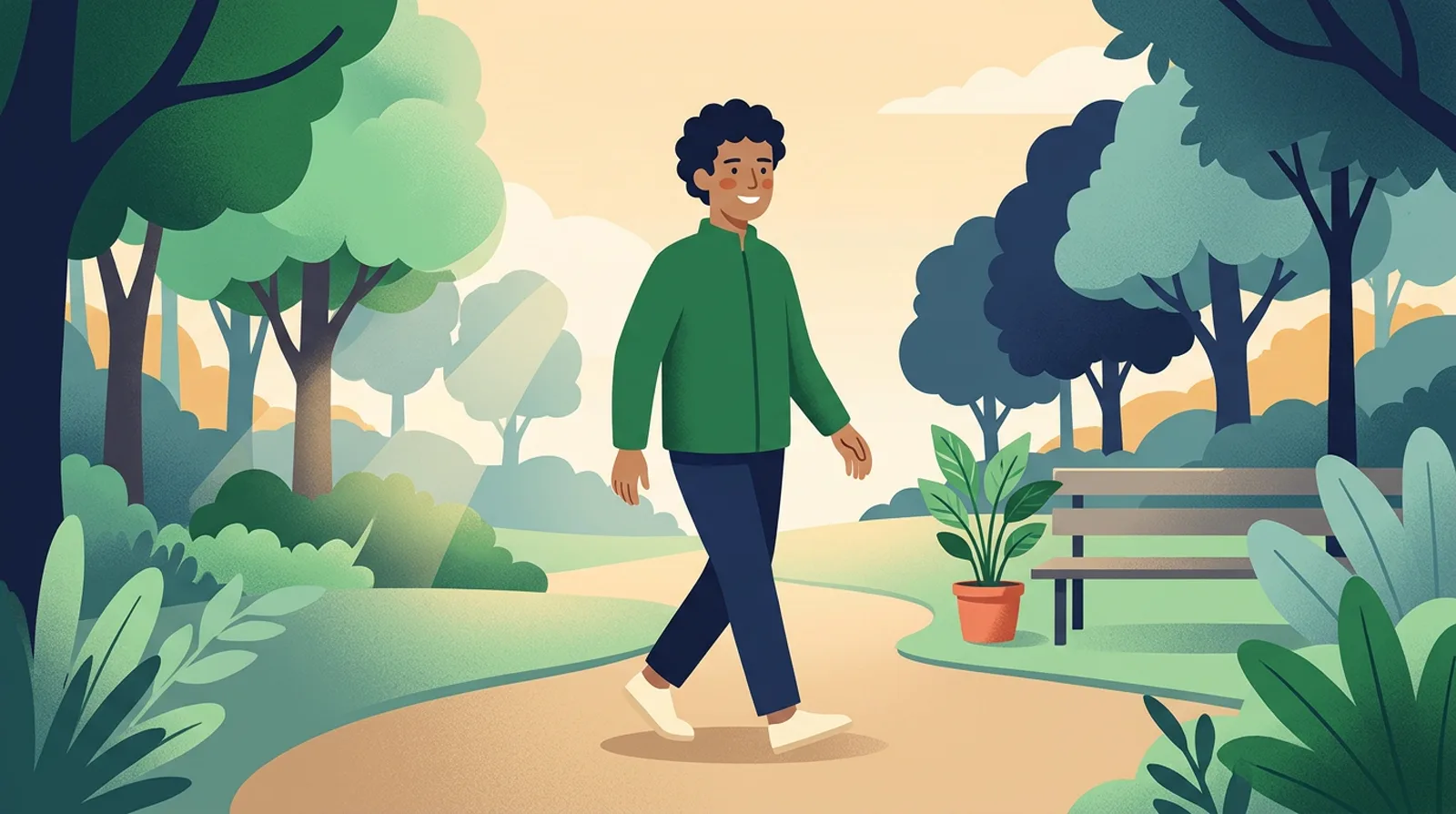
1. Move your body
The CDC says being physically active can help lift your mood, which makes it a good first fix for vaping anxiety. A brisk 10-minute walk is a good start when you feel wound up.
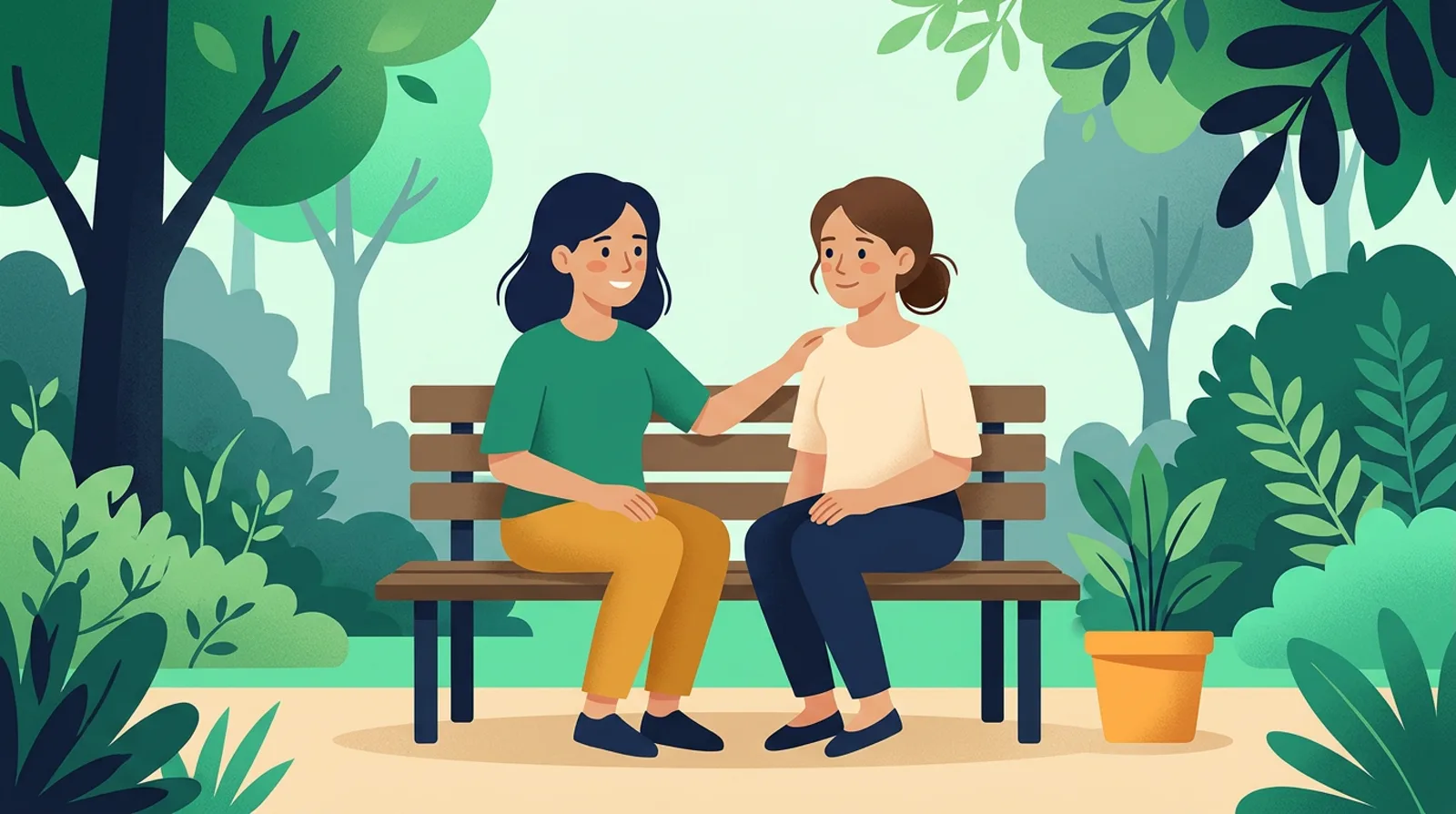
2. Talk to someone every day
The CDC also says being in touch or talking with others every day can help your mood. Tell a friend you are quitting, and check in with them.
3. Ground yourself
When anxiety spikes, a simple grounding exercise can help you come back to the moment. Try our guided 54321 grounding technique.
4. Ride out cravings
A craving is not an order. Our guide on nicotine cravings has ways to get through each one. The free QuitAce app also has a one-tap breathing exercise for cravings, on Google Play.
5. Get quit support
In the US, trained quit coaches at 1-800-QUIT-NOW give free, confidential help, the CDC says. The NHS notes that nicotine products or nicotine-free medicines can help manage anxiety, irritability and low mood while you quit. Ask a doctor or pharmacist which suits you.
For the full plan, see our guide on how to quit vaping.
When to get help
The CDC says to watch your mood closely if you have ever had anxiety or depression. Talk to a doctor or mental health professional if you don’t feel better in a couple of weeks, or if your symptoms feel unmanageable. The CDC says quitting will not interfere with mental health treatment.
If you take medicine for anxiety or another mental health condition, tell your doctor you are quitting, so they can check how you are doing.
Need help now?
If you are in crisis or thinking about harming yourself, you are not alone. In the US, call or text 988 (the 988 Suicide and Crisis Lifeline, open 24/7). In Australia, call Lifeline on 13 11 14. Elsewhere, contact your local crisis line or emergency number.
Frequently asked questions
Can vaping cause panic attacks?
Research on vaping and panic is limited, and the CDC says more research is needed on vaping and mental health. What is known is that nicotine withdrawal can make you feel jumpy, restless or anxious. If you have panic attacks, talk to a doctor.
Does nicotine help with vaping anxiety?
It can feel that way, but the CDC says the short-term relief comes from easing withdrawal, not from treating anxiety. The CDC also says smoking is not a treatment for depression or anxiety, and nicotine addiction can be a source of stress.
How long does anxiety last after quitting vaping?
It differs from person to person. The CDC says some people have mood changes for a short time after quitting, and that withdrawal fades as the brain gets used to no nicotine. If you don’t feel better in a couple of weeks, talk to a doctor.
Will quitting vaping reduce my anxiety?
It may, over time. Smoking research shows anxiety and depression levels are often lower once people have been smoke-free for a few months, the CDC says. The CDC adds that quitting vaping is likely similar to quitting smoking, since both involve nicotine addiction.
Why do I feel anxious when I don’t vape?
That is often nicotine withdrawal. Between hits, nicotine levels drop, and the CDC lists feeling irritable, jumpy, restless or anxious among withdrawal symptoms. The NHS says many people mistake these feelings for everyday stress.
Is it normal to feel depressed after quitting vaping?
Feeling sad or down is a common withdrawal symptom, the CDC says, and it usually eases over time. Get help if your mood gets worse, does not improve in a couple of weeks, or you have thoughts of harming yourself.
The bottom line
Vaping anxiety is often nicotine withdrawal in disguise: a hit eases the tension it helped create. Quitting can bring a short rise in anxiety, but smoking research suggests it often eases within months. Move, talk to people, use grounding, and get help if it feels like too much.
Related reading
- How to quit vaping: a simple 5-step plan
- Vaping withdrawal symptoms: what to expect
- 54321 grounding technique: a guided exercise
- Quit vaping timeline: what happens after you stop
Sources
- CDC: Health Effects of Vaping (31 Jan 2025)
- CDC: Vaping and Quitting (15 May 2024)
- CDC Tips From Former Smokers: 7 Common Withdrawal Symptoms (reviewed 27 Sep 2024)
- CDC Tips From Former Smokers: Depression and Anxiety (reviewed 13 Oct 2023)
- NHS Better Health: The truth about smoking, stress and mental health
- 988 Suicide and Crisis Lifeline
- Lifeline Australia