
Cutting out both gluten and dairy can make snack time feel tricky. Crackers, cookies, cheese sticks and yogurt are suddenly off the list, and labels can be confusing.
The good news: plenty of gluten free dairy free snacks are simple whole foods. This guide gives you 25 easy ideas, how to read labels for hidden gluten and milk, and the nutrients to keep an eye on.
Key takeaways
- Fruit, vegetables, nuts, seeds, eggs, rice and potatoes are naturally gluten free, the NIDDK says, and none of them contain dairy.
- In the US, a “gluten-free” label means less than 20 parts per million of gluten, under FDA rules.
- Milk must be named on US food labels, either in the ingredients or a “Contains” line, so check every packaged snack.
What are gluten free dairy free snacks?
Gluten free dairy free snacks are foods with no wheat, barley or rye (the grains that contain gluten) and no milk or milk products. The simplest options are whole foods like fruit, vegetables, nuts, seeds, eggs, rice cakes and popcorn. Packaged snacks can work too, as long as the label shows no gluten-containing grains and no milk.
Why people go gluten and dairy free
People with celiac disease must avoid gluten for life. The FDA says as many as 3 million people in the US have it. Others avoid dairy because of a milk allergy or lactose intolerance, where MedlinePlus says symptoms like bloating, cramps, gas and diarrhea often start 30 minutes to 2 hours after milk products.
If you think gluten is a problem for you, the NIDDK says to talk to your doctor about celiac testing before you cut it out, because going gluten free first can make the test inaccurate.
25 gluten free dairy free snacks
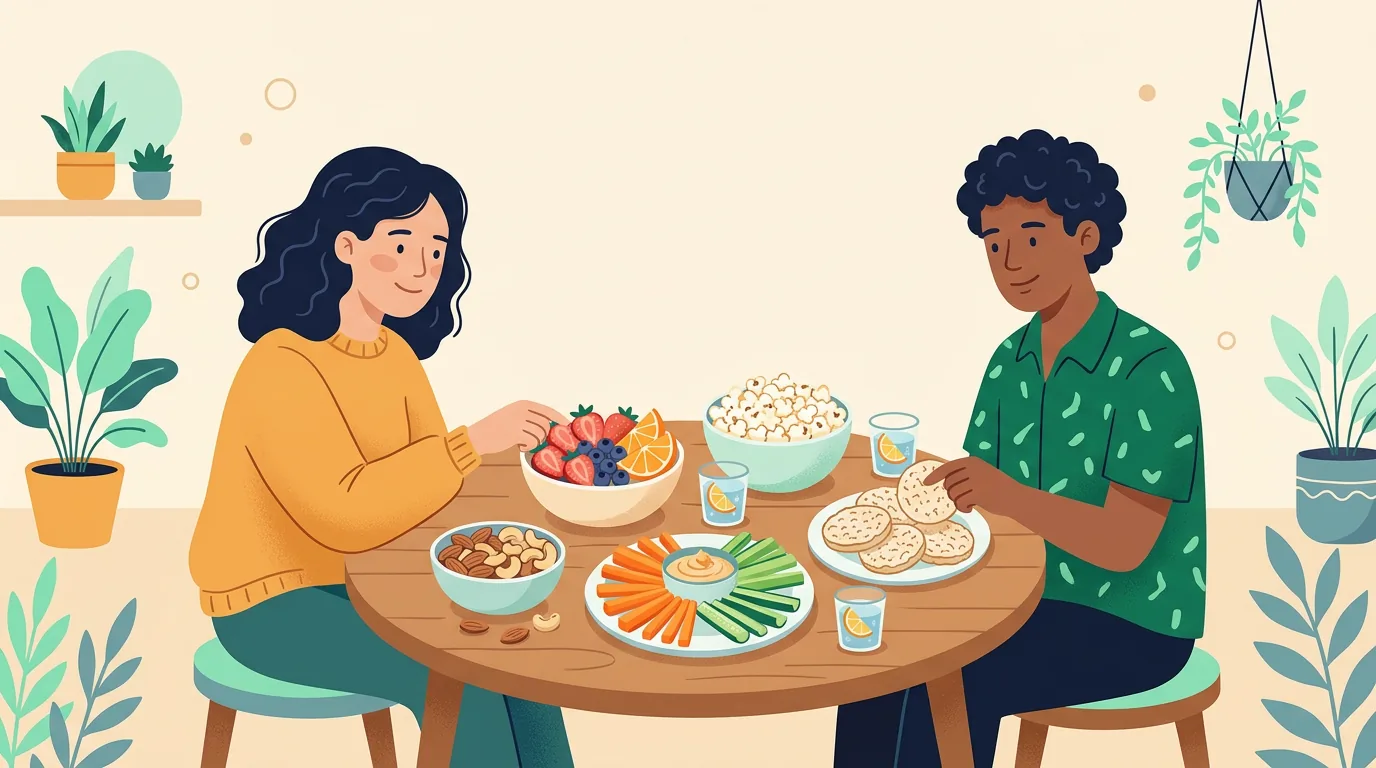
These snacks use foods that are naturally free of gluten and dairy. If you buy any of them packaged, still check the label.
| Type | Snack ideas |
|---|---|
| Fruit | Apple slices with peanut or sunflower butter; a banana; grapes; berries; orange segments; dried apricots (check for added sugar) |
| Vegetables | Carrot and cucumber sticks with hummus; cherry tomatoes; snap peas; roasted chickpeas; guacamole with bell pepper strips |
| Nuts and seeds | A small handful of almonds, cashews or walnuts; pumpkin or sunflower seeds; homemade trail mix with nuts, seeds and raisins |
| Grains and starches | Air-popped popcorn; rice cakes with avocado; corn tortilla chips with salsa; baked potato wedges; gluten-free oat energy balls |
| Protein | Hard-boiled eggs; tuna or salmon on rice crackers; edamame; turkey slices rolled around cucumber; coconut or soy yogurt (unsweetened) |
For more protein-rich ideas you can make ahead, see our guide to high protein meal prep.
How to read labels
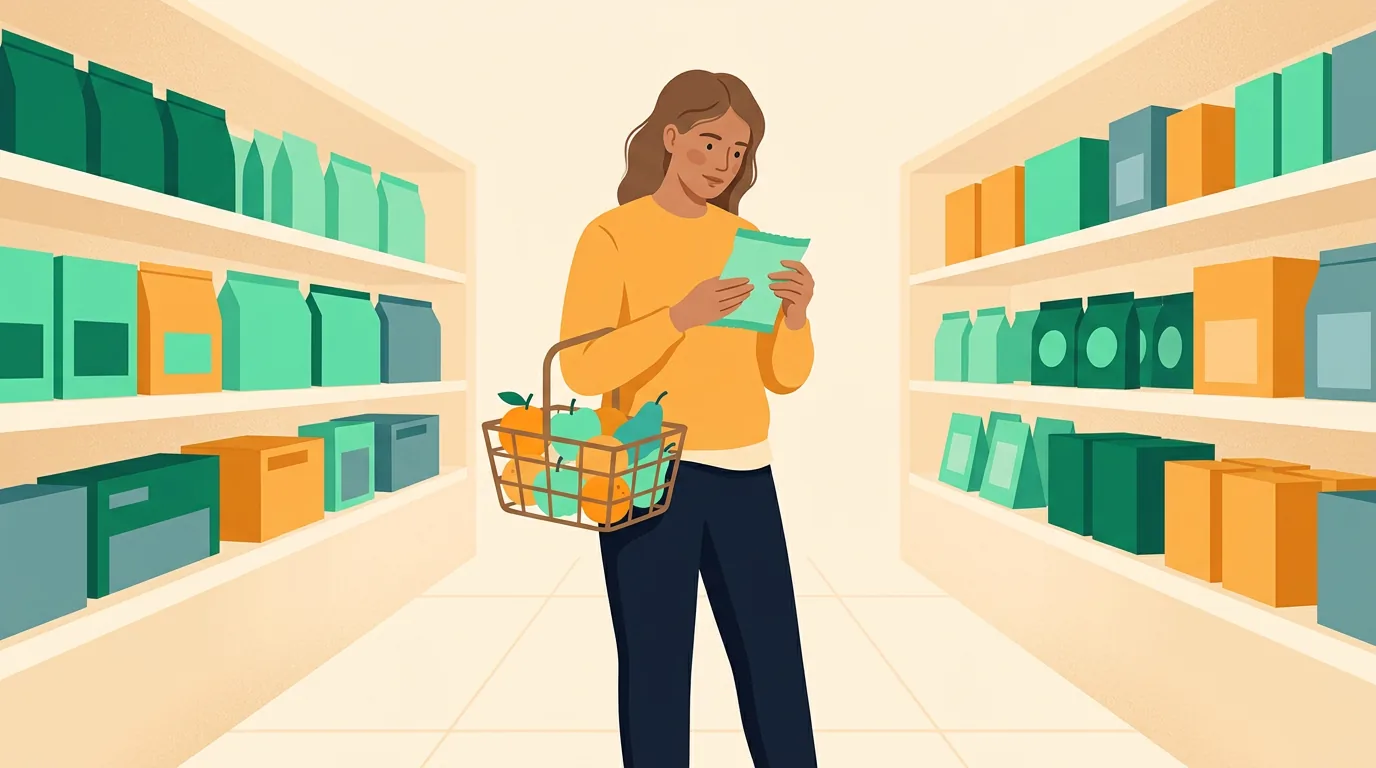
The FDA says a food labeled “gluten-free” must have less than 20 parts per million of gluten, and that gluten comes from wheat, rye, barley and crossbreeds of these grains.
For dairy, the FDA lists milk as a major food allergen. It must be named on the label, either after the ingredient (for example, “whey (milk)”) or in a “Contains” statement next to the ingredients list. So look for:
- A “Contains” line that mentions wheat or milk
- Ingredients like wheat, barley, rye, malt, brewer’s yeast, whey, casein, butter or milk powder
- A “gluten-free” claim if you have celiac disease
Don’t rely on “dairy-free” alone: the FDA found milk in some dark chocolate products labeled “dairy free.” If you have a milk allergy, read the full ingredients and the “Contains” line.
Watch for hidden gluten
The NIDDK says colorings, flavorings, starches and thickeners can be made from gluten-containing grains, so gluten can turn up in candy, sauces, condiments and soups. Flavored chips, seasoned nuts and snack bars are worth a second look.
Oats are a special case. The NIDDK says most people with celiac disease can eat moderate amounts of oats, but only oats labeled gluten free, because regular oats are often mixed with gluten grains during growing and processing. Ask your doctor or dietitian how much is right for you.
Nutrients to watch
MedlinePlus warns that cutting out dairy can lead to low calcium, vitamin D, riboflavin and protein. Build these into your snacks:
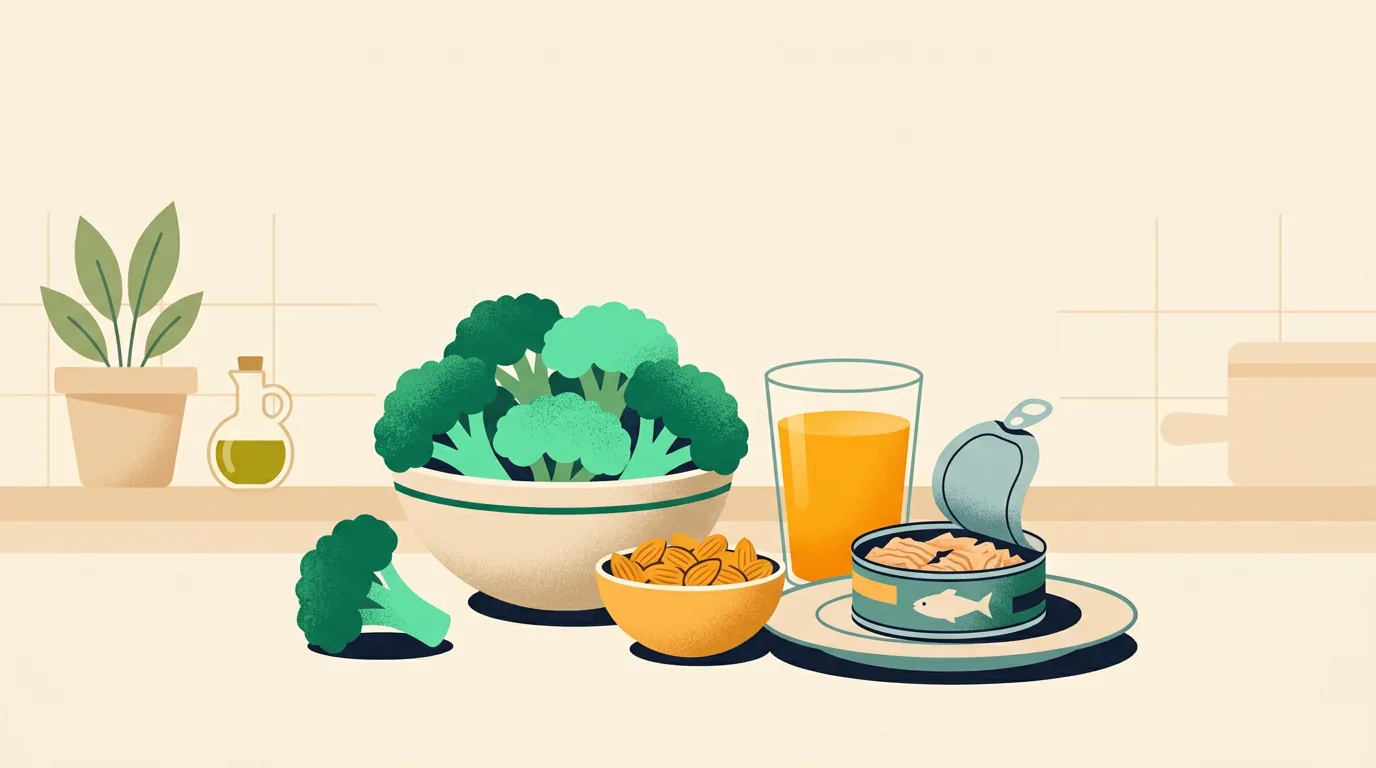
- Calcium: leafy greens, broccoli, canned salmon or sardines (with bones), and calcium-fortified orange juice or plant drinks
- Protein: eggs, nuts, seeds, beans, edamame and fish
- Fiber: fruit, vegetables, popcorn and gluten-free whole grains like brown rice and certified oats
If you avoid dairy long term, ask your doctor or a dietitian whether you need a calcium and vitamin D supplement, as MedlinePlus suggests.
Frequently asked questions
What can I eat if I am gluten and dairy free?
Fruit, vegetables, meat, fish, eggs, rice, potatoes, beans, nuts and seeds are naturally free of both, according to the NIDDK. For packaged foods, check labels for wheat, barley, rye and milk.
What are good gluten free dairy free snacks for work?
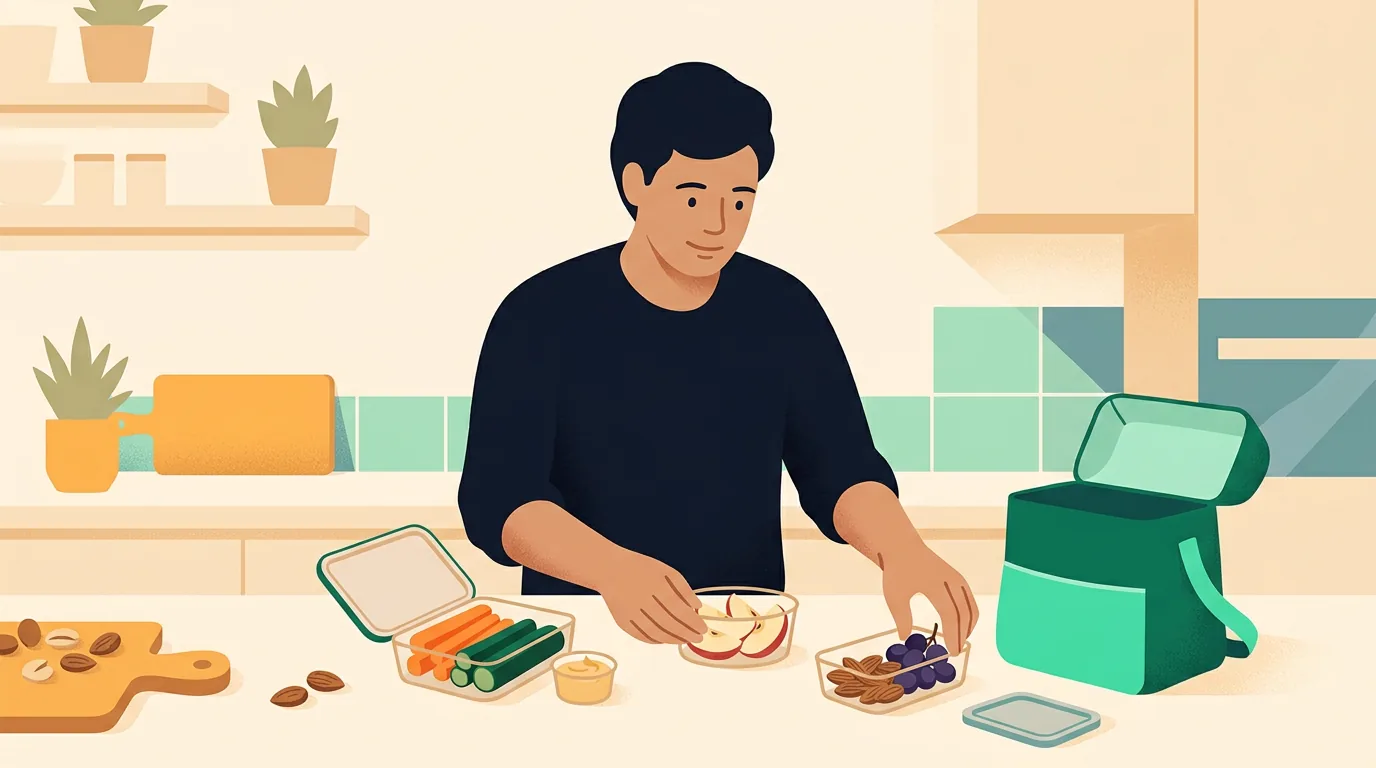
Easy options include apple slices with nut or seed butter, veggie sticks with hummus, trail mix, rice cakes with avocado, hard-boiled eggs and air-popped popcorn. Pack them in small containers the night before.
Are Oreos gluten and dairy free?
Regular Oreos are made with wheat flour, so they are not gluten free. Recipes and labels change, so always check the current package ingredients and “Contains” statement before eating any packaged snack.
Is popcorn gluten and dairy free?
Plain popcorn is naturally free of gluten and dairy. Watch out for flavored or buttered popcorn, which can contain milk or gluten-based flavorings. Air-popped popcorn with a little oil and salt is the safest choice.
What does gluten-free mean on a label?
In the US, the FDA says a food labeled gluten-free must contain less than 20 parts per million of gluten. Gluten comes from wheat, rye, barley and crossbreeds of these grains.
Can I eat oats on a gluten-free diet?
The NIDDK says most people with celiac disease can eat moderate amounts of oats, but only those labeled gluten free, because regular oats often come into contact with gluten grains. Ask your doctor or dietitian how much is right for you.
How do I get calcium without dairy?
MedlinePlus suggests leafy greens, broccoli, oysters, sardines, canned salmon, shrimp and calcium-fortified orange juice. Ask your doctor whether you need a calcium and vitamin D supplement if you avoid dairy long term.
The bottom line
Gluten free dairy free snacks don’t need to be complicated: fruit, vegetables, nuts, seeds, eggs, rice cakes and popcorn are all naturally free of both. For anything packaged, check for a “gluten-free” claim and read the “Contains” line for wheat and milk. If you avoid dairy long term, plan for calcium and vitamin D, and talk to your doctor before cutting out gluten.