

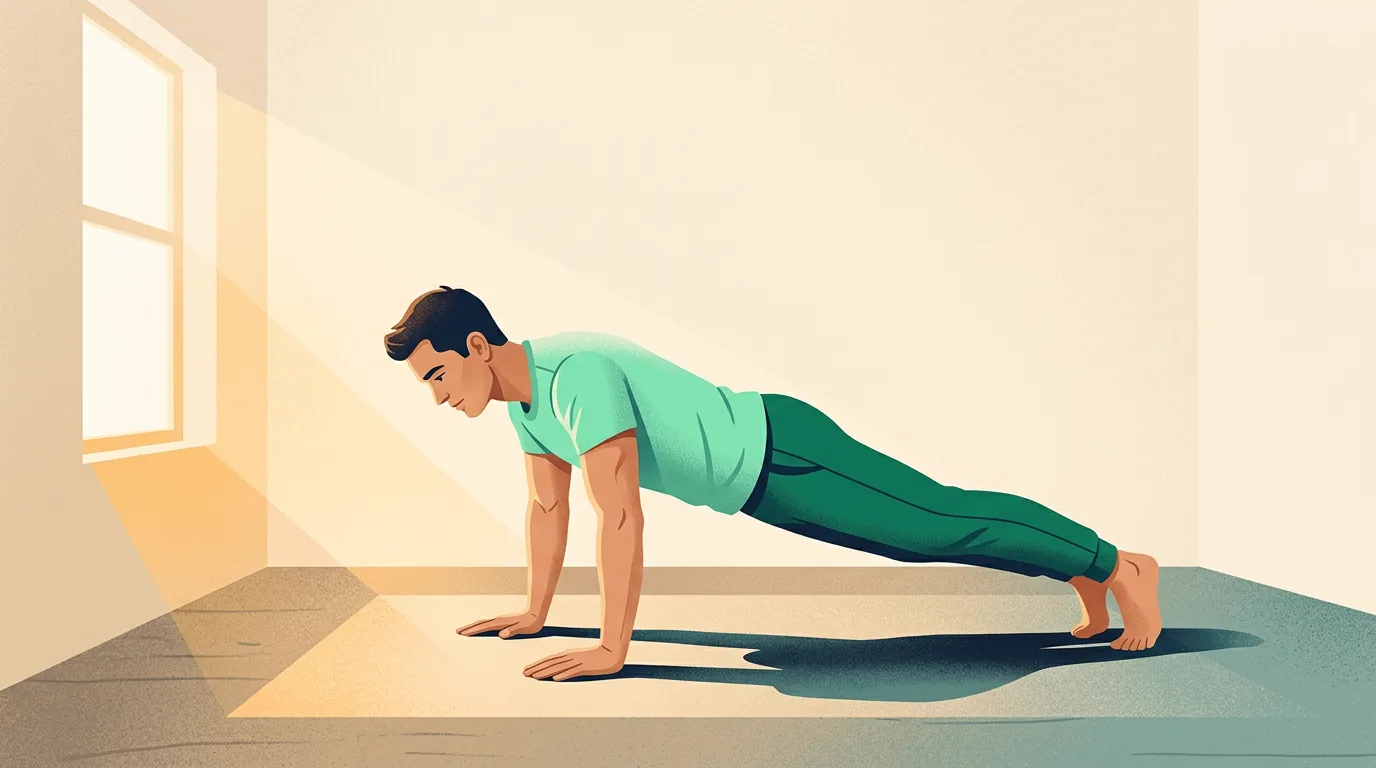
The “prison workout” got its name from people who train hard with no gym, no weights and very little space. Strip away the image, and what’s left is a simple, effective bodyweight routine anyone can do at home, in a hotel room or at the park.
This guide gives you 5 no-equipment routines, a 4-week plan for beginners, form tips, and how to make it harder as you get stronger.
Key takeaways
- A prison workout uses only your bodyweight: push-ups, squats, lunges, planks and burpees.
- The CDC says adults need at least 2 days of muscle-strengthening activity a week plus 150 minutes of moderate activity.
- Start easy, keep good form, and make it harder slowly by adding reps, sets or slower tempo.
What is a prison workout?
A prison workout is a bodyweight training routine that needs no equipment and only a small space, the size of a cell. It uses classic moves like push-ups, squats, lunges, planks and burpees, often done as fast circuits or high-rep sets. It’s a cheap, flexible way to build strength and fitness anywhere.
Why bodyweight training works
Your body is a weight. Moving it through push-ups, squats and lunges works the major muscle groups, which is exactly what the guidelines ask for. The NHS says adults should do strengthening activities that work all the major muscles on at least 2 days a week, and lists exercises that use your own bodyweight, like push-ups and sit-ups, as examples.
The CDC recommends at least 2 days of muscle-strengthening activity a week, plus 150 minutes of moderate activity, or 75 minutes of vigorous activity. A fast bodyweight circuit can count toward both.
The core prison workout moves
Push-ups
Hands under your shoulders, body in a straight line from head to heels. Lower your chest toward the floor, then push back up. Easier: knees down or hands on a bench.
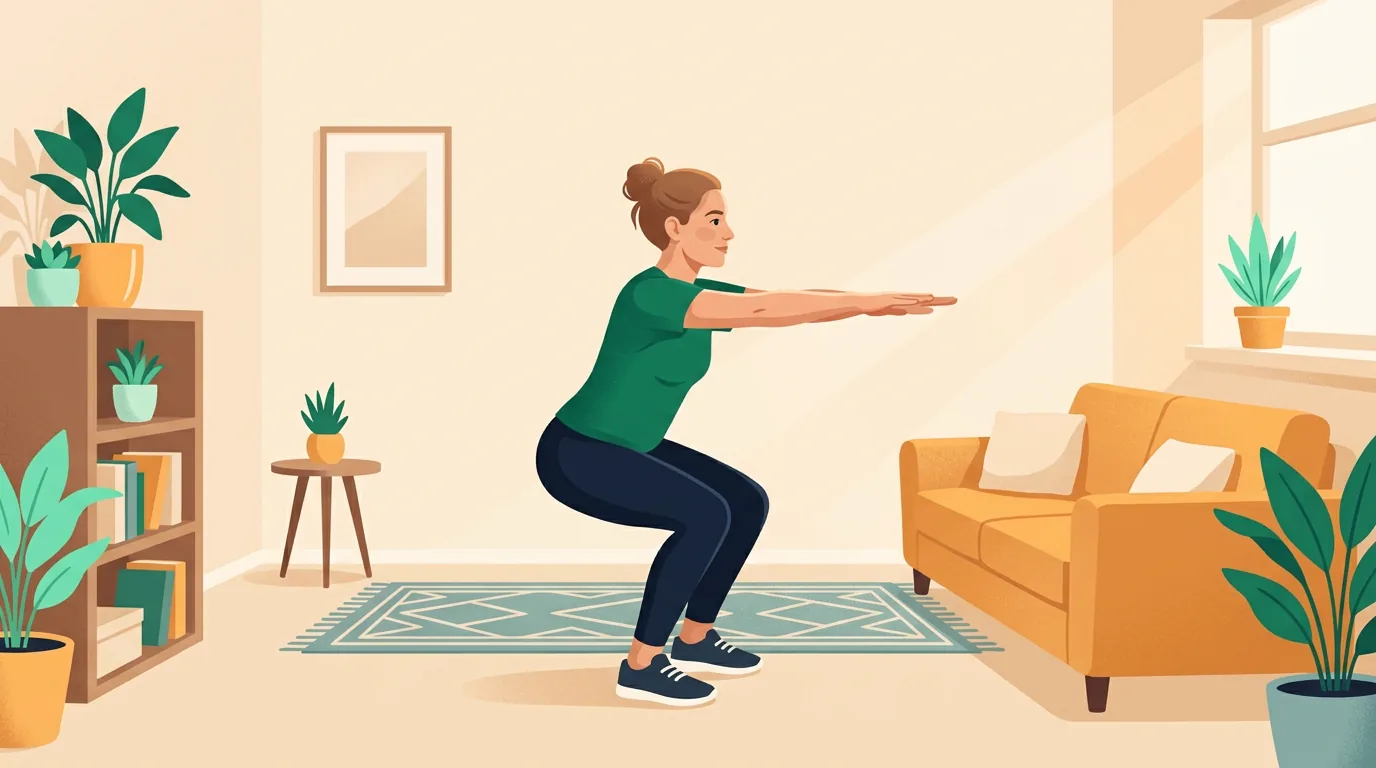
Bodyweight squats
Feet shoulder-width apart. Sit your hips back and down as if into a chair, chest up, knees tracking over your toes, then stand.
Lunges
Step one foot forward and lower until both knees bend to about 90 degrees, then push back. Alternate legs.
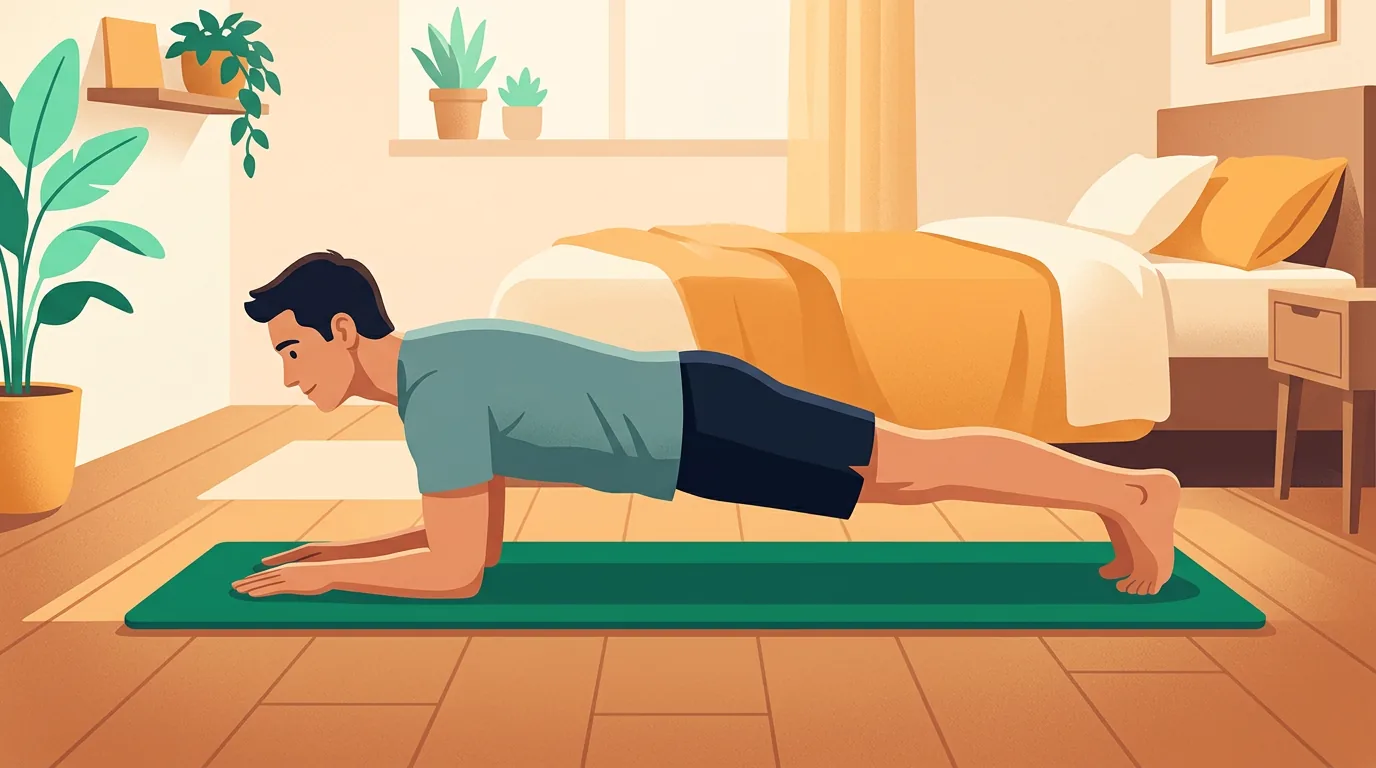
Plank
On your forearms and toes, keep your body straight and your tummy tight. Breathe and hold.
Burpees
Squat, place your hands down, step or jump your feet back to a plank, step or jump them in, and stand up. Add a jump at the end only when you’re ready.
Mountain climbers
From a high plank, drive one knee toward your chest, then switch legs at a steady pace.
5 prison workout routines
| Routine | How to do it | Best for |
|---|---|---|
| 1. Beginner circuit | 10 squats, 5 push-ups (knees OK), 10 lunges, 20-second plank. Rest 1 minute. Repeat 3 times. | Starting out |
| 2. Deck of cards | Shuffle a deck. Red = squats, black = push-ups. Do the number on the card (face cards = 10). Rest when you need to. | Variety and fun |
| 3. Countdown ladder | 10 burpees and 10 squats, then 9 of each, then 8, down to 1. | Conditioning |
| 4. Every minute on the minute | At the start of each minute, do 8 push-ups and 12 squats, rest the remaining time. 10 minutes. | Short on time |
| 5. Core finisher | 30 seconds each: plank, mountain climbers, side plank (each side), rest 1 minute. 3 rounds. | Core strength |
A 4-week beginner plan
| Week | Days a week | What to do |
|---|---|---|
| Week 1 | 2 | Routine 1, 2 rounds. Walk 20 to 30 minutes on 3 other days. |
| Week 2 | 2 to 3 | Routine 1, 3 rounds. Add Routine 5 once. |
| Week 3 | 3 | Routines 1, 2 and 5 on separate days. |
| Week 4 | 3 | Routines 3 or 4 plus Routine 5. Keep walking on other days. |
This builds to the CDC’s 2 strength days a week, with walking toward the 150 minutes of moderate activity. Want a sense of how many calories bodyweight cardio burns? See our guide to jumping jacks and calories.
How to progress
- Add reps, then sets, before you add harder versions.
- Slow down: take 3 seconds to lower in a push-up or squat.
- Try harder variations, like push-ups with feet raised or split squats with your back foot on a chair.
- Rest less between rounds, but keep your form clean.
Tracking your best reps is a simple way to see progress. Our guide to what PR means in the gym explains how.
Safety tips
- Warm up for 5 minutes with marching on the spot, arm circles and easy squats.
- Stop if you feel sharp pain, chest pain, dizziness or severe shortness of breath.
- If you’re new to exercise, pregnant, older, or have heart, joint or back problems, talk to your doctor before starting a high-intensity routine.
- Pick the easier version of a move if you can’t keep good form.

Frequently asked questions
How do prisoners get so muscular without weights?
Mostly through high-volume bodyweight training like push-ups, dips, squats and burpees, done often and consistently. Any routine that works the major muscles at least 2 days a week, as the CDC recommends, and gets harder over time can build strength.
How do you do prison push-ups?
Prison push-ups usually means doing push-ups in high-rep sets or ladders, like 1 rep, then 2, then 3, with little rest. Keep your body straight from head to heels, and use your knees or a bench if you cannot keep good form.
What is the 3-3-3 rule for working out?
It is a popular format, not an official guideline, usually meaning 3 exercises for 3 sets for about 3 rounds or minutes. It is one way to structure a short session. What matters most is hitting 2 strength days a week, as the CDC advises.
What are the best bodyweight exercises?
Push-ups, squats, lunges, planks, burpees and mountain climbers cover the major muscle groups. The NHS lists exercises that use your own bodyweight, such as push-ups and sit-ups, as muscle-strengthening activity.
Is a prison workout good for beginners?
Yes, if you start with easier versions and fewer reps. Try 2 rounds of a simple circuit twice a week, then build up. Talk to your doctor first if you are new to exercise or have a health condition.
How long should a prison workout take?
Most routines here take 10 to 25 minutes. The CDC recommends 150 minutes of moderate activity a week plus 2 strength days, so short circuits on 2 or 3 days fit well alongside walking.
The bottom line
A prison workout is simply a no-equipment bodyweight routine: push-ups, squats, lunges, planks and burpees in a small space. Done on at least 2 days a week, it covers the CDC’s strength guideline and builds fitness anywhere. Start with easy versions, keep good form, and make it harder slowly as you get stronger.