

Many autistic adults were never diagnosed as children. Some start to wonder in their 20s, 40s or later, after years of feeling different without knowing why. Knowing the signs of autism in adults can help you decide whether an assessment is worth it.
This guide covers the common signs, how autism can look different in women, how common it is, and how adults get assessed.
Key takeaways
- Common signs of autism in adults include finding social situations hard, taking things literally, needing routines and being very sensitive, or not sensitive at all, to light, sound or textures.
- Autism can be diagnosed at any age, and signs can be harder to see in women because of masking.
- A CDC study estimated that about 2.2% of US adults are autistic, about 5.4 million people.
What are the signs of autism in adults?
The NHS lists common signs of autism in adults such as finding it hard to talk to other people, taking things literally, having fixed routines, getting upset by changes, repetitive movements, very focused interests and sensory differences. Not every autistic person has every sign, and only a professional assessment can confirm autism.
9 common signs of autism in adults
According to the NHS, if you’re autistic you may:
- find it hard to talk to other people
- spend more time alone than with other people
- find it hard to understand facial expressions, gestures or tone of voice
- take things literally
- have fixed ways of doing things
- get distressed when your routine changes
- do repetitive movements, called stimming, such as rocking, flapping your hands or flicking your fingers
- be very focused on special interests
- be very sensitive, or not sensitive at all, to light, sounds, smells, tastes or textures
What the signs can look like day to day
| Sign | What it might look like |
|---|---|
| Taking things literally | Phrases like “break a leg” feel confusing |
| Fixed routines | Eating the same lunch or taking the same route every day |
| Distress with change | A cancelled plan ruins the whole day |
| Sensory differences | Bright lights or busy shops feel overwhelming, or you hardly notice pain or cold |
| Special interests | Spending hours learning everything about one topic |
| Stimming | Rocking, tapping or hand-flapping, often to feel calm |
These are everyday examples, not a checklist. Many people have one or two of these traits without being autistic.
Other signs and challenges
The NHS says autistic adults may also have problems staying in school or keeping a job, difficulty making friends or having romantic relationships, mental health problems, or a learning disability.
The CDC notes high rates of unemployment and under-employment among autistic adults, and that nearly 40% spend little or no time with friends. The right support can make a real difference.
Signs of autism in adult women
The NHS says it can be harder to see signs of autism in women because of masking, which means hiding the signs. Autistic women may be more likely to:
- copy how other people behave
- appear to cope well with social situations
- be very quiet in difficult situations and hide their feelings
- show fewer repetitive behaviors than autistic men
- have a mental health condition such as anxiety, depression or an eating disorder
How common is autism in adults?
There’s no national count of autistic adults in the US, so the CDC used modeling. Its 2017 estimate found that about 2.21% of US adults, roughly 5.4 million people, are autistic. The estimate was 3.62% for men and 0.86% for women.
What happened to Asperger syndrome?
Some adults were told years ago that they had Asperger syndrome. In 2013, the diagnostic manual used by US clinicians (DSM-5) merged Asperger’s and related diagnoses into a single condition called autism spectrum disorder, a 2020 review explains. Many people still use the term Asperger’s to describe themselves.
Getting an autism assessment as an adult
The National Institute of Mental Health says autism can be diagnosed at any age. If you think you might be autistic, the NHS advises talking to a doctor, who can refer you for an autism assessment and explain what support is available, including while you wait.
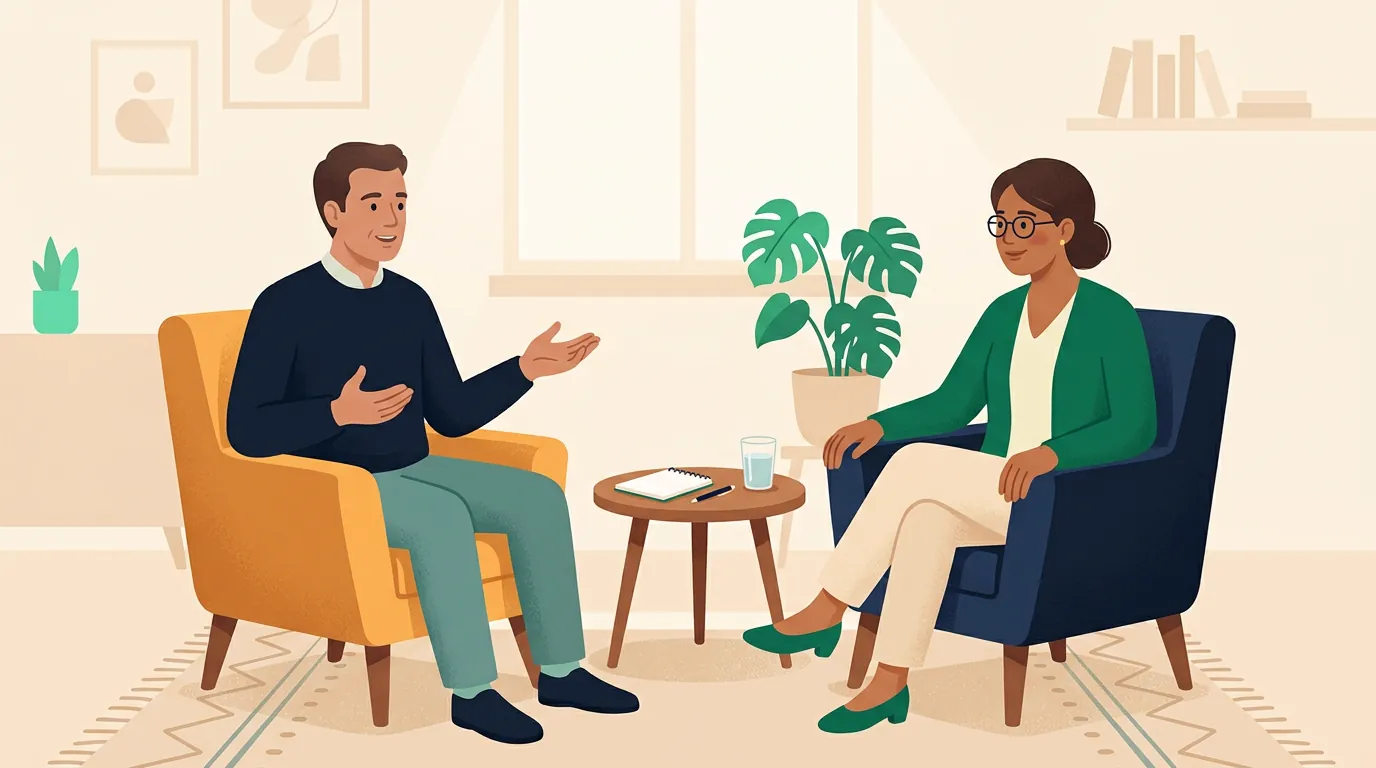
It can help to write down examples from your daily life and childhood before the appointment. Some people bring a relative who knew them as a child.
When to see a doctor
- You think you might be autistic and want an assessment.
- Social, sensory or work difficulties are affecting your daily life.
- You’re struggling with anxiety, low mood or burnout.
If you’re having thoughts of suicide, call or text 988 in the US, or contact your local crisis line. The NHS says autism isn’t an illness, but there are ways of managing it and getting support.
Frequently asked questions
Can you be diagnosed with autism as an adult?
Yes. The National Institute of Mental Health says autism can be diagnosed at any age. Start by talking to your doctor, who can refer you for an autism assessment. The NHS notes that support may be available while you wait.
What are the signs of autism in women?
Signs can be harder to spot because of masking. The NHS says autistic women may copy how others behave, seem to cope well socially, hide their feelings, show fewer repetitive behaviors and be more likely to have anxiety, depression or an eating disorder.
Is Asperger syndrome the same as autism?
Asperger syndrome is no longer a separate diagnosis. In 2013, the DSM-5 manual merged it and related diagnoses into one condition, autism spectrum disorder. Many people diagnosed with Asperger’s before then still use the term.
What is masking in autism?
Masking means hiding the signs of autism, for example by copying how other people behave or hiding your feelings. The NHS says it’s one reason autism can be harder to recognize in women.
How common is autism in adults?
A CDC modeling study estimated that about 2.21% of US adults were autistic in 2017, about 5.4 million people. The estimate was higher for men (3.62%) than for women (0.86%).
What is stimming?
Stimming means repetitive movements such as rocking, flapping your hands or flicking your fingers, the NHS says. Many autistic people stim, and it’s one of the common signs of autism in adults.
The bottom line
Signs of autism in adults include finding social situations hard, taking things literally, needing routines and having strong sensory reactions, and masking can hide them, especially in women. Autism can be diagnosed at any age. If the signs sound familiar, talk to a doctor about an assessment and support.
Related reading
- Nervous system reset techniques
- Men’s mental health: signs and support
- Can you get disability for anxiety?
Sources
- NHS: Signs of autism in adults
- NHS: What is autism?
- NIMH: Autism Spectrum Disorder
- CDC: Autism Spectrum Disorder in Teenagers and Adults
- CDC: Estimated Number of Adults Living with Autism Spectrum Disorder in the United States, 2017
- Oberman LM, Kaufmann WE. Autism spectrum disorder versus autism spectrum disorders: terminology, concepts, and clinical practice. Front Psychiatry, 2020