

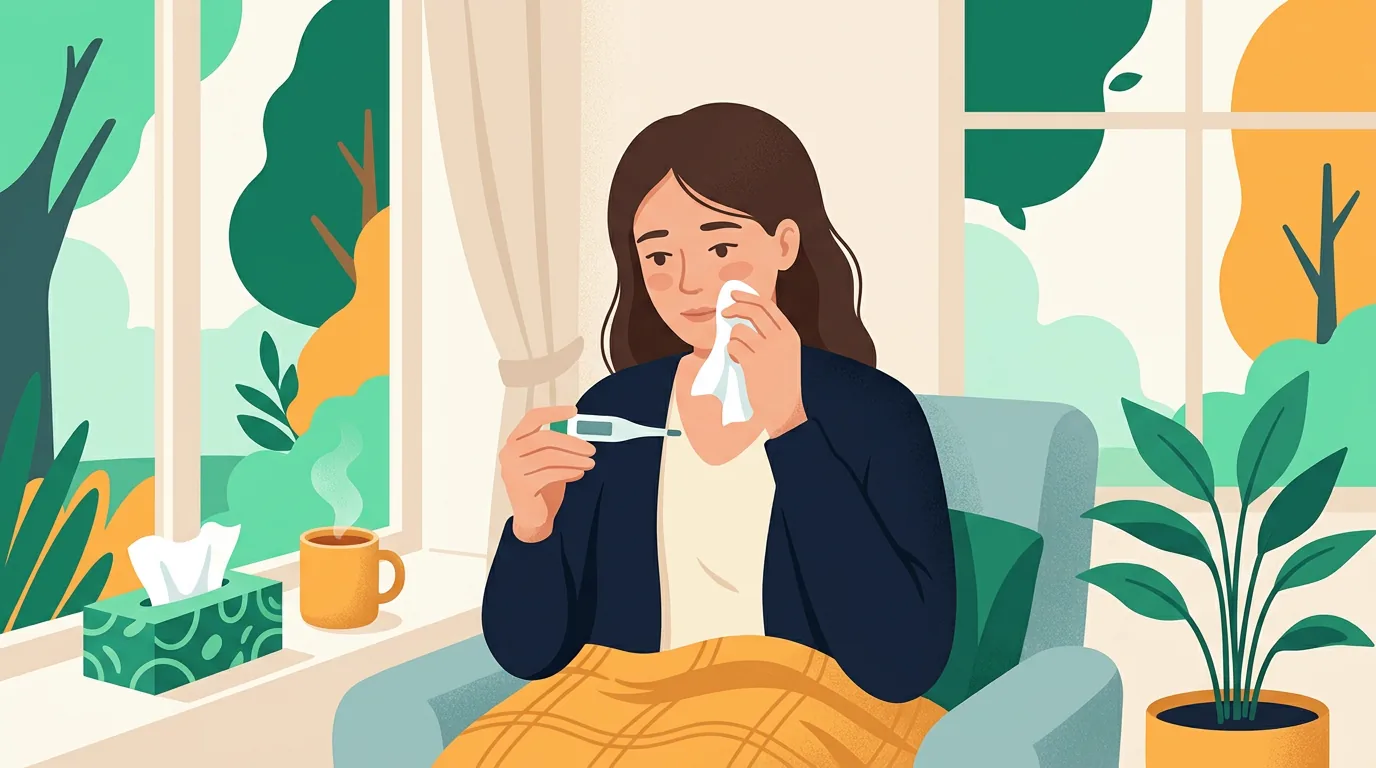
You feel hot, achy and blocked up in allergy season, and you wonder: can allergies cause fever, or is something else going on? The usual answer is no. A real fever is a sign to look beyond allergies.
This guide explains why, how to tell allergies from a cold, flu, COVID-19 or a sinus infection, and when to call a doctor. It also covers what changes for children.
Key takeaways
- Do allergies cause fever? Typically no. Cleveland Clinic says most people with hay fever don’t get one.
- The NHS defines a high temperature as 38°C or above. If you reach that, think infection first.
- Allergies can raise the risk of sinus and ear infections, and those can bring a fever.
Can allergies cause fever? The short answer
No, not usually. Allergies such as hay fever don’t typically cause a fever, and Cleveland Clinic says most people with hay fever don’t get one. A temperature of 38°C or above, which the NHS calls a high temperature, points to something else. Often that is a cold, flu, COVID-19 or a sinus or ear infection.
The name doesn’t help. Cleveland Clinic notes that hay doesn’t cause hay fever, and despite the name, a fever isn’t part of it. The NHS and MedlinePlus symptom lists for hay fever don’t include one either.
What allergy symptoms do look like
The NHS lists sneezing, coughing, a runny or blocked nose, and itchy, red or watery eyes. You can also get an itchy throat, mouth, nose and ears, loss of smell, and pain around the sides of your head and forehead. Headache and tiredness are common too.
Cleveland Clinic adds dark circles under the eyes, sinus pressure and postnasal drip. MedlinePlus lists the same core picture.
Why allergies cause fever-like feelings, but not a real fever
Feeling rundown can feel like being sick. Tiredness, a headache and sinus pressure are all on the allergy symptom lists, and they overlap with early infection.
I’d rather you check than guess. A thermometer settles most of this in a minute. The NHS says a reading of 38°C or above counts as a high temperature, though you may still have a fever below that if you feel hot, cold or shivery.
Not a diagnosis. It shows how your reading compares with the NHS definition.
When allergy symptoms and a fever show up together
If allergies and a fever appear together, you most likely have two things going on. The allergy is one. An infection is the other.
Cleveland Clinic says people with airborne allergies have a higher risk of ear infections and sinus infections. It also lists nasal allergies as a risk factor for sinusitis. So allergies cause fever only indirectly, by setting the stage for an illness that does.
Sinus infection signs to watch for
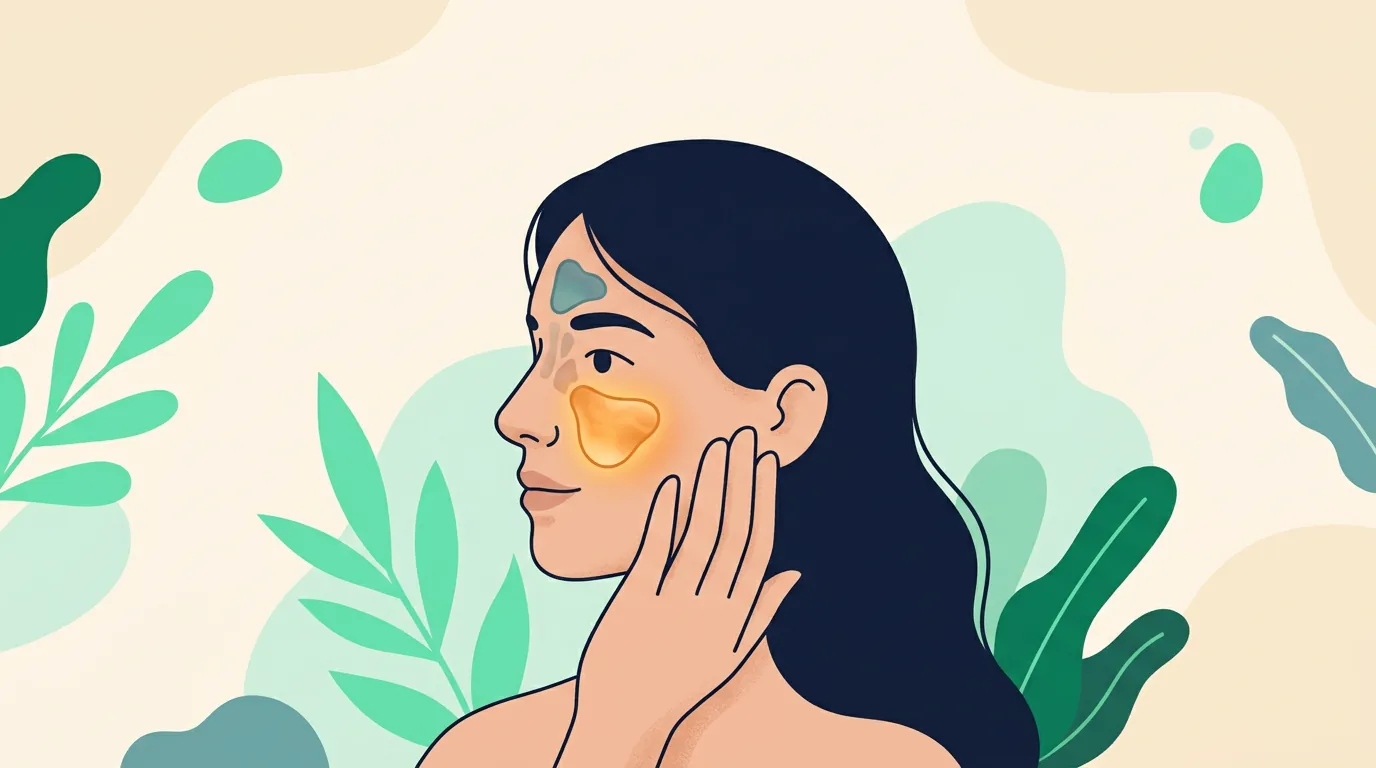
The NHS lists these signs of sinusitis:
- Pain, swelling and tenderness around your cheeks, eyes or forehead
- A blocked or runny nose
- Green or yellow mucus from your nose
- A high temperature
Sinusitis usually clears up on its own within 4 weeks, says the NHS. See a GP if you aren’t better after 3 weeks of treating symptoms yourself. Cleveland Clinic suggests seeing a provider if symptoms don’t improve after 10 days.
Allergies vs cold vs flu vs COVID-19 vs sinus infection
Most pages compare allergies with a cold only. This table puts all five side by side. It uses only what the NHS, CDC, MedlinePlus and Cleveland Clinic list. “Not listed” means that source doesn’t name the symptom, not that it can never happen.
| Clue | Allergies (hay fever) | Cold | Flu | COVID-19 | Sinus infection |
|---|---|---|---|---|---|
| Fever | Not typical | Possible, usually low grade in older children and adults | Common, often sudden; not everyone gets one | Listed symptom | Can occur |
| Itchy eyes, nose, throat | Yes | Not listed | Not listed | Not listed | Not listed |
| Body aches | Not listed | Mild | Yes | Yes | Not listed |
| Loss of smell | Listed by NHS | Not listed | Not listed | New loss of taste or smell | Decreased sense of smell |
| Green or yellow mucus, facial pain | Sinus pressure possible | Not listed | Not listed | Not listed | Yes |
| How long / how fast | Weeks or months while exposed | Usually under a week (CDC) | Comes on within hours (NHS) | Appears 2 to 14 days after exposure | Usually under 4 weeks |
The NHS also says hay fever can last for weeks or months, unlike a cold, which usually goes away after 1 to 2 weeks. That duration gap is one of the most useful clues you have.
7 warning signs it isn’t just allergies
Run through this list before you blame pollen. If one or more fits, think infection and consider talking to a doctor or pharmacist.
- Your temperature is 38°C or above. That is the NHS definition of a high temperature.
- You feel hot, cold or shivery. The NHS says you may have a fever even if the thermometer reads below 38°C.
- It hit you within hours, with an aching body. The NHS says flu symptoms come on very quickly.
- You have facial pain and green or yellow mucus. Those are NHS-listed sinusitis signs.
- You aren’t improving. Cleveland Clinic suggests seeing a provider if sinus symptoms don’t improve after 10 days.
- Your allergy medicine isn’t helping. The NHS says see a GP if symptoms worsen or don’t improve after pharmacy medicines.
- It could be flu or COVID-19. The CDC advises testing if you suspect either, especially if you’re at higher risk of severe illness.
Can allergies cause fever in children and adults?
The rule is the same at any age: allergies cause fever only through something else, such as an infection. What changes is how quickly you should act, and children need more care.
Adults
The NHS says to call 111 if you have a high temperature and you’ve been treating it at home but it isn’t getting better or is getting worse. Its home advice is to rest, drink plenty of fluids, and take paracetamol or ibuprofen if you’re uncomfortable.
Cleveland Clinic lists a fever over 103°F, confusion, vision changes, seizures or a stiff neck as reasons to seek emergency care when you have sinus symptoms.
Children and babies
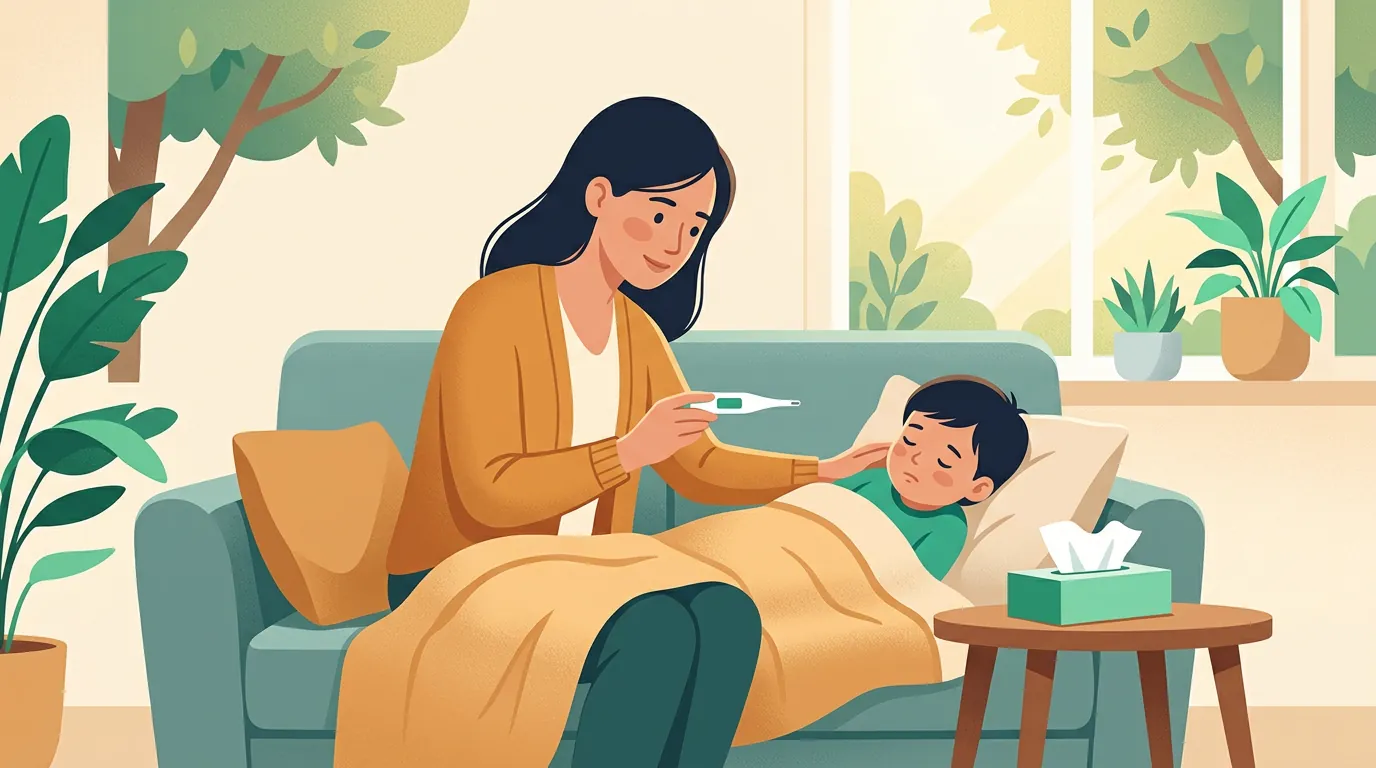
A child with hay fever can feel miserable, but a fever still points elsewhere. Cleveland Clinic notes the higher risk of ear infections with airborne allergies, so a child with allergies and a temperature may have one.
The NHS defines a high temperature in children as 38°C or more. It advises calling 111 for:
- A baby under 3 months with a temperature of 38°C or higher
- A baby aged 3 to 6 months with a temperature of 39°C or higher
- Any child with a fever lasting 5 days or more, or who shows signs of dehydration or a rash
The NHS lists these signs as reasons to call 999 or go to A&E: a stiff neck, a rash that doesn’t fade, a first seizure, blue, grey or blotchy skin, trouble breathing, or being very drowsy or hard to wake. The CDC adds that a child’s fever above 104°F that isn’t controlled by fever-reducing medicine needs prompt medical evaluation.
When to call a doctor or get urgent help
Here is the short version, based on the sources above.
- Talk to a pharmacist if you have hay fever and want advice on antihistamines or steroid nasal sprays (NHS).
- See a GP or provider if symptoms worsen, don’t improve with pharmacy medicines, interfere with sleep or daily life, or last past 10 days with sinus symptoms.
- Call 111 if a high temperature isn’t improving at home, painkillers don’t help, or you feel very unwell (NHS).
- Seek emergency care for trouble breathing, persistent chest pain or pressure, new confusion, inability to wake or stay awake, or blue, grey or pale lips and skin (CDC).
Waking up drenched at night isn’t automatically a fever. If it’s a regular thing, my guide on night sweats and how to get relief covers other causes. For ear problems, see sleeping with ear pain or a ruptured eardrum.
Easing allergy symptoms while you sort it out
MedlinePlus says medicines and nasal sprays can relieve hay fever symptoms, and allergy shots can make you less sensitive to pollen for long-term relief. If you rinse your nose, MedlinePlus says to use distilled or sterilised water with saline.
Frequently asked questions
Can allergies cause a fever in adults?
Typically no. Hay fever symptom lists from the NHS and MedlinePlus don’t include a fever, and Cleveland Clinic says most people with hay fever don’t get one. A fever of 38°C or above suggests an infection such as a cold, flu, COVID-19 or sinusitis.
Can allergies cause fever in kids or toddlers?
Not typically. A child’s allergies can bring a blocked nose and itchy eyes, but a temperature of 38°C or more points to another cause, such as an ear or sinus infection. Follow the NHS age-based guidance above and call 111 if you’re worried.
Can allergies cause a low-grade fever?
The sources I checked don’t list any fever, low-grade or otherwise, as a hay fever symptom. A low-grade fever is more often tied to a cold; the CDC says cold fever is usually low grade in older children and adults. Your doctor can work out the cause.
How can I tell allergies from a cold?
Look at timing and itching. The NHS says hay fever can last weeks or months, while a cold usually goes away in 1 to 2 weeks. Itchy eyes, nose and throat are on the hay fever lists but not the CDC’s cold list.
Can allergies lead to a sinus infection with fever?
Yes, indirectly. Cleveland Clinic lists nasal allergies as a risk factor for sinusitis, and the NHS lists a high temperature among its symptoms. See a provider if symptoms haven’t improved after 10 days.
Does hay fever cause a fever?
No, despite the name. Cleveland Clinic notes that most people with hay fever don’t get a fever. If you have a high temperature, look for another cause.
Can seasonal allergies cause a fever?
Typically no. Seasonal allergies are hay fever, and Cleveland Clinic says most people with hay fever do not get a fever. A temperature of 38°C or above points to an infection such as a cold, flu, COVID-19 or sinusitis.
Can allergies cause chills and fever?
Allergies themselves do not list chills or fever as symptoms. The NHS says you may have a fever even below 38°C if you feel hot, cold or shivery, so check your temperature and consider an infection.
Can allergies give flu-like symptoms?
They can feel similar. Tiredness, a headache and sinus pressure are on the allergy symptom lists and overlap with early infection. Body aches and a sudden onset within hours point more to flu (NHS).
When should I go to the ER for allergies?
Seek emergency care for trouble breathing, persistent chest pain or pressure, new confusion, inability to wake or stay awake, or blue, grey or pale lips and skin (CDC). Call your local emergency number.
The bottom line
Can allergies cause fever? Typically no. If you wonder whether allergies can cause fever, remember that a temperature of 38°C or above points to an infection such as a cold, flu, COVID-19 or sinusitis. Can allergies cause fever indirectly? Yes, by setting the stage for an infection, so see a doctor if it is not improving.
If you or your child has a fever that isn’t improving, trouble breathing, or any symptom that worries you, contact a doctor or your local emergency number.
Related reading
- What Side Should I Sleep On with a Ruptured Eardrum? Sleep Smarter, Heal Faster
- Kill Tooth Pain Nerve in 3 Seconds Permanently: Separating Myth from Reality and Finding Effective Relief
- Understanding Ring Avulsion: Causes, Symptoms, and Treatment
- Say Goodbye to Sciatic Nerve Pain in Just 10 Minutes with This Natural Method
Sources
- Cleveland Clinic. Allergic Rhinitis (Hay Fever).
- Cleveland Clinic. Sinusitis.
- NHS. Hay fever.
- NHS. Sinusitis (sinus infection).
- NHS. High temperature (fever) in adults.
- NHS. High temperature (fever) in children.
- NHS. Flu.
- MedlinePlus. Hay Fever.
- MedlinePlus. Allergic rhinitis.
- CDC. About the Common Cold.
- CDC. Flu Signs and Symptoms.
- CDC. COVID-19 Symptoms.