


A blood test shows your vitamin B12 is low, and now a search has you worried. Can vitamin B12 deficiency be a sign of cancer?
This guide explains the honest answer: how B12 and cancer are linked, why other causes are far more common, what a high B12 result can mean, and what to ask your doctor.
Key takeaways
- Low B12 is usually caused by pernicious anemia, diet, age or medicines, not cancer, according to the NHS.
- Cancers of the stomach, pancreas or lower small intestine, and stomach surgery, can lower B12 absorption, a 2025 review explains.
- Unusually high B12 levels, not low ones, have been more strongly linked to a cancer diagnosis in large studies.
Can vitamin B12 deficiency be a sign of cancer?
Rarely. Most low B12 comes from common causes like pernicious anemia, a vegan diet without supplements, older age or medicines. But some cancers, especially in the stomach, pancreas or the end of the small intestine, can stop your body absorbing B12. That’s why a doctor will look for the cause, not just treat the number.
What vitamin B12 does
The NHS says vitamin B12 helps your body make red blood cells and keep your nervous system healthy. Adults aged 19 to 64 need about 1.5 micrograms a day.
Good sources are meat, fish, milk, cheese, eggs and some fortified breakfast cereals. B12 isn’t found naturally in plant foods, so vegans may not get enough without fortified foods or a supplement.
Signs of B12 deficiency
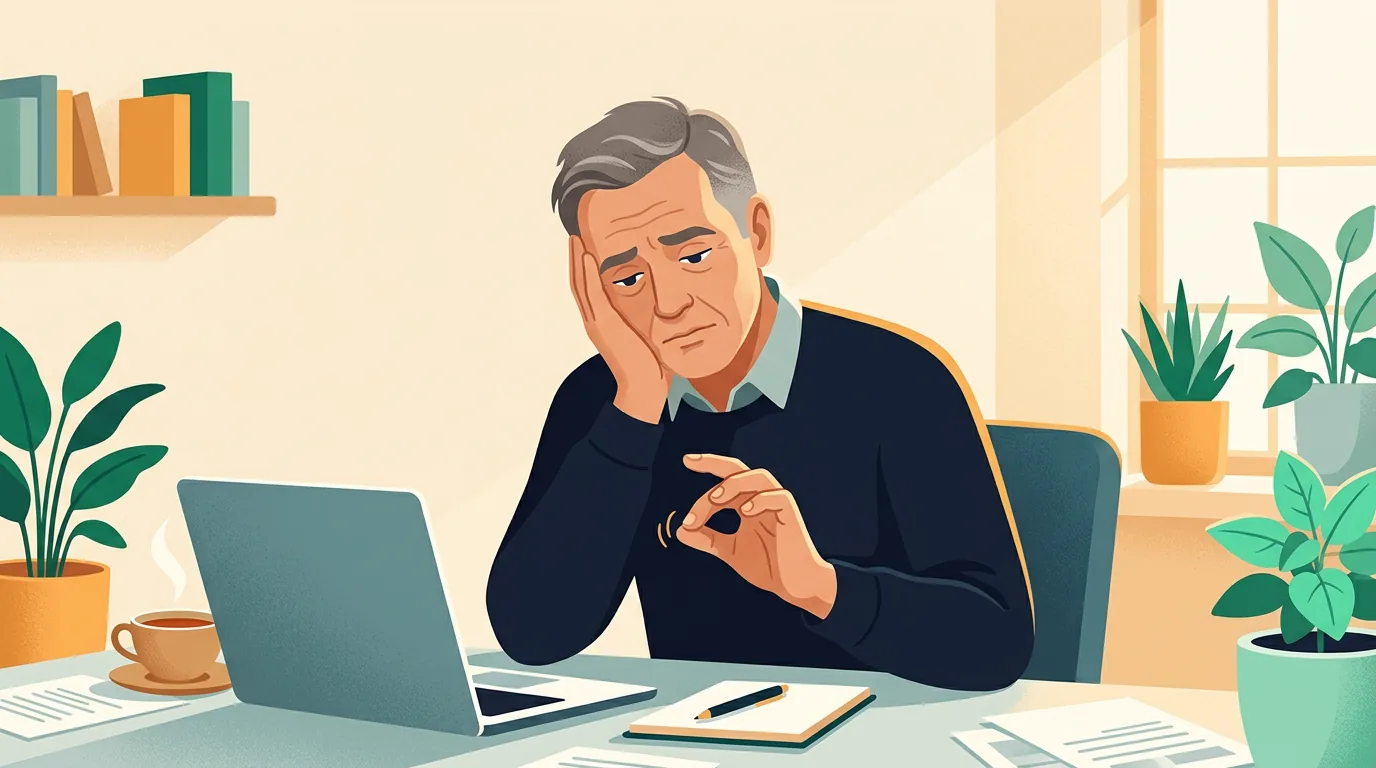
The NHS lists these common signs of B12 deficiency:
- Extreme tiredness and a lack of energy
- Pins and needles
- A sore, red tongue or mouth ulcers
- Muscle weakness
- Problems with your vision
- Problems with memory, understanding and judgement
- Low mood, anxiety or confusion
See a doctor if you notice these. The NHS says early treatment matters, because some nerve problems can become permanent.
The most common causes
The NHS says the most common cause of B12 deficiency in the UK is pernicious anemia, where your immune system attacks cells in your stomach so you can’t absorb B12. Other causes include:
| Cause | How it lowers B12 | Source |
|---|---|---|
| Pernicious anemia | Immune system attacks stomach cells needed to absorb B12 | NHS |
| Diet | Vegan diet without fortified foods or supplements, or a long-term poor diet | NHS |
| Older age | About 1 in 10 people aged 75 or over have a deficiency | NHS |
| Medicines | Anticonvulsants and proton pump inhibitors (PPIs) can reduce absorption | NHS |
| Stomach or bowel surgery | Removes or bypasses parts of the gut that absorb B12 | 2025 review |
| Some cancers | Stomach, pancreas or lower small intestine cancers can affect absorption | 2025 review |
How B12 and cancer are linked
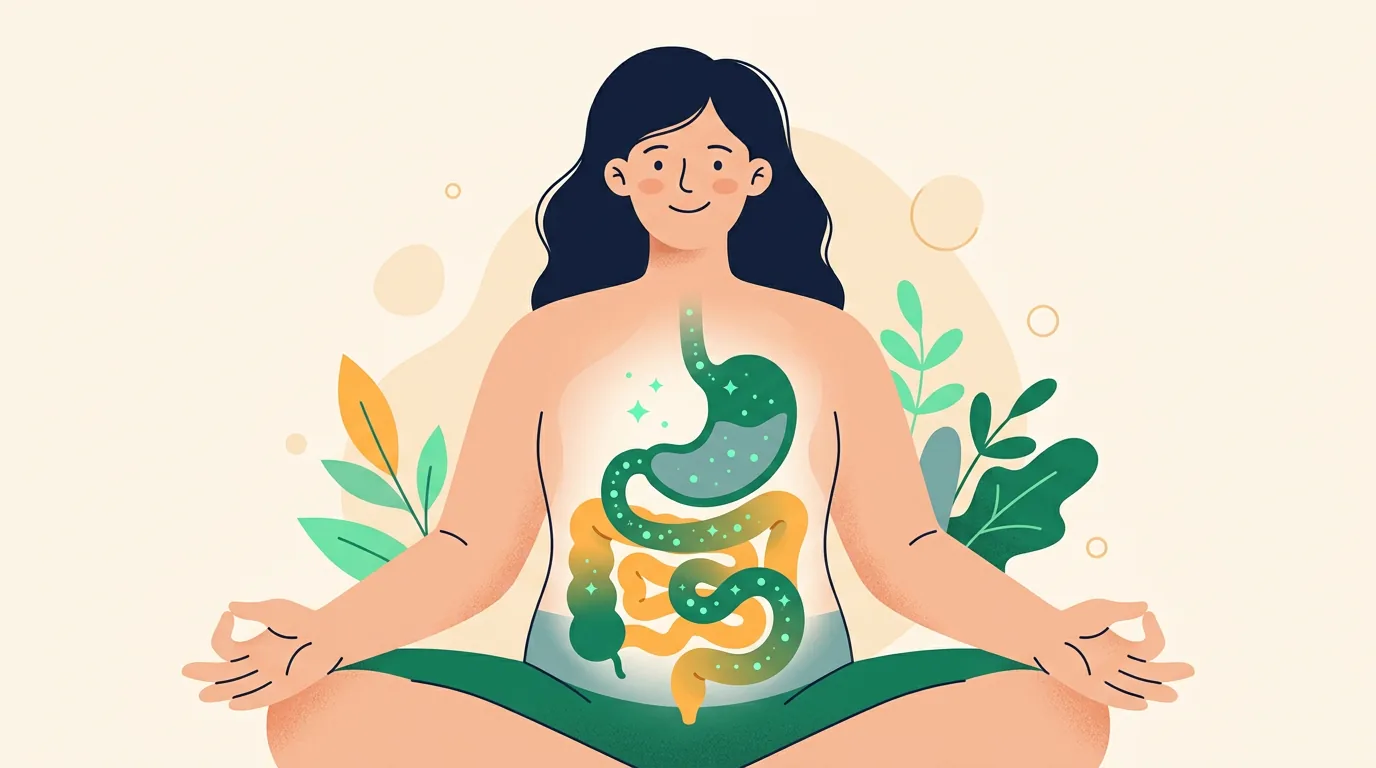
A 2025 review in the journal Nutrients looked at B12 in people with cancer. It says deficiency can happen when a cancer involves organs needed to absorb B12, such as the stomach, pancreas or the last part of the small intestine, after gut surgery, and in people over 65.
The review also explains a link with pernicious anemia. The kind of long-term stomach inflammation behind it, called autoimmune gastritis, can lead to neuroendocrine tumors of the stomach and possibly stomach cancer. So people with pernicious anemia are usually followed up by their doctor. After stomach removal for stomach cancer, an analysis it cites found 48.8% of people became B12 deficient.
So can vitamin B12 deficiency be a sign of cancer for you? Low B12 is a reason to find the cause, not a sign that you have cancer. Most people with low B12 don’t.
What high B12 levels can mean
Surprisingly, the stronger cancer link is with high B12, not low. A 2013 Danish study in the Journal of the National Cancer Institute followed 333,667 people who had a B12 test. Those with very high levels (over 800 pmol/L) were about 6 times more likely than expected to be diagnosed with cancer, mostly in the first year.
Because the risk was highest so soon after the test, researchers think high B12 may reflect a cancer that’s already there, not cause one. A 2021 study in Scientific Reports found that B12 that stays high over time was strongly linked to solid cancers. If you have a high B12 result and don’t take supplements or injections, ask your doctor what it means.
What to ask your doctor
- What do you think is causing my low (or high) B12?
- Do I need tests for pernicious anemia or my stomach?
- Could any of my medicines be affecting my B12?
- Should I have injections or tablets, and for how long?
- When should I have my B12 checked again?
The NHS says B12 deficiency is usually treated with injections at first, then tablets or ongoing injections depending on the cause. If you take B12 supplements, it advises not to take too much; 2 mg a day or less is unlikely to cause harm.
When to see a doctor
See a doctor if you have signs of B12 deficiency, or a test result you don’t understand. Get checked promptly if low B12 comes with warning signs such as:
- Losing weight without trying
- Trouble swallowing, or feeling full very quickly
- Vomiting, or vomit that looks like coffee grounds
- Black or bloody stools
- Ongoing belly pain
These have many possible causes, but they always need a doctor’s check. For more on stomach-related symptoms, see our guide to sulfur burps.
Frequently asked questions
Can vitamin B12 deficiency be a sign of cancer?
Rarely. Most low B12 is caused by pernicious anemia, diet, older age or medicines, the NHS says. Cancers of the stomach, pancreas or lower small intestine can lower B12, so your doctor will look for the cause of a low result.
What cancers cause low B12?
A 2025 review says cancers that affect the organs needed to absorb B12, such as the stomach, pancreas or the last part of the small intestine, can lower B12. Stomach or bowel surgery can too. Most low B12, though, has other causes.
Is low B12 a sign of something serious?
Usually it has a common cause like pernicious anemia, diet, older age or medicines, the NHS says. It still needs treatment, because some nerve problems can become permanent. Your doctor will look for the cause.
Can high B12 levels mean cancer?
High levels can have many causes, but large studies link very high B12 with a later cancer diagnosis, mostly within a year. A 2013 Danish study found people with levels over 800 pmol/L were about 6 times more likely than expected to be diagnosed.
How do you feel when your B12 is very low?
The NHS lists extreme tiredness, lack of energy, pins and needles, a sore red tongue, mouth ulcers, muscle weakness, vision problems and changes in memory, mood or judgement.
What foods are good sources of vitamin B12?
Meat, fish, milk, cheese, eggs and some fortified breakfast cereals, the NHS says. B12 is not found naturally in plant foods, so vegans need fortified foods or a supplement.
Can vitamin B12 deficiency cause night sweats?
Night sweats are not among the B12 deficiency symptoms the NHS lists. Night sweats have many possible causes, so if you have them often, especially with weight loss or fever, see a doctor.
How is B12 deficiency treated?
The NHS says treatment usually starts with B12 injections. After that, you may need tablets or ongoing injections, depending on the cause. Changing your diet can help if diet is part of the cause.
The bottom line
Can vitamin B12 deficiency be a sign of cancer? Rarely: most low B12 comes from pernicious anemia, diet, age or medicines. Some stomach, pancreas and bowel cancers can lower B12, and very high B12 has a stronger link to cancer in large studies. Either way, an unusual result needs a doctor to find the cause, not guesswork.
Related reading
- Supplements to strengthen blood vessels
- Can you take expired vitamins?
- Vitamins for menopause fatigue
Sources
- NHS: Vitamin B12 or folate deficiency anaemia
- NHS: Vitamins and minerals: B vitamins and folic acid
- Osmola M, et al. Vitamin B12 in cancer patients: clinical insights into deficiency, excess, diagnosis, and management. Nutrients, 2025
- Arendt JF, et al. Elevated plasma vitamin B12 levels as a marker for cancer: a population-based cohort study. J Natl Cancer Inst, 2013
- Lacombe V, et al. Persistent elevation of plasma vitamin B12 is strongly associated with solid cancer. Sci Rep, 2021