
A nervous system reset sounds like a magic switch. Search online and you’ll find cold plunges, humming, shaking and dozens of “vagus nerve hacks.” The real version is simpler: a few calm habits that help your body come down from stress.
This guide explains what stress does to your body, which techniques have research behind them, and how to try one right now with a free breathing timer.
Key takeaways
- “Nervous system reset” isn’t a medical term. The closest science is the relaxation response: slower breathing, lower blood pressure and a slower heart rate.
- Slow belly breathing has early evidence for easing stress, and the NHS suggests doing it for at least 5 minutes.
- If stress or anxiety gets in the way of daily life, talk to a doctor. In a crisis in the US, call or text 988.
What is a nervous system reset?
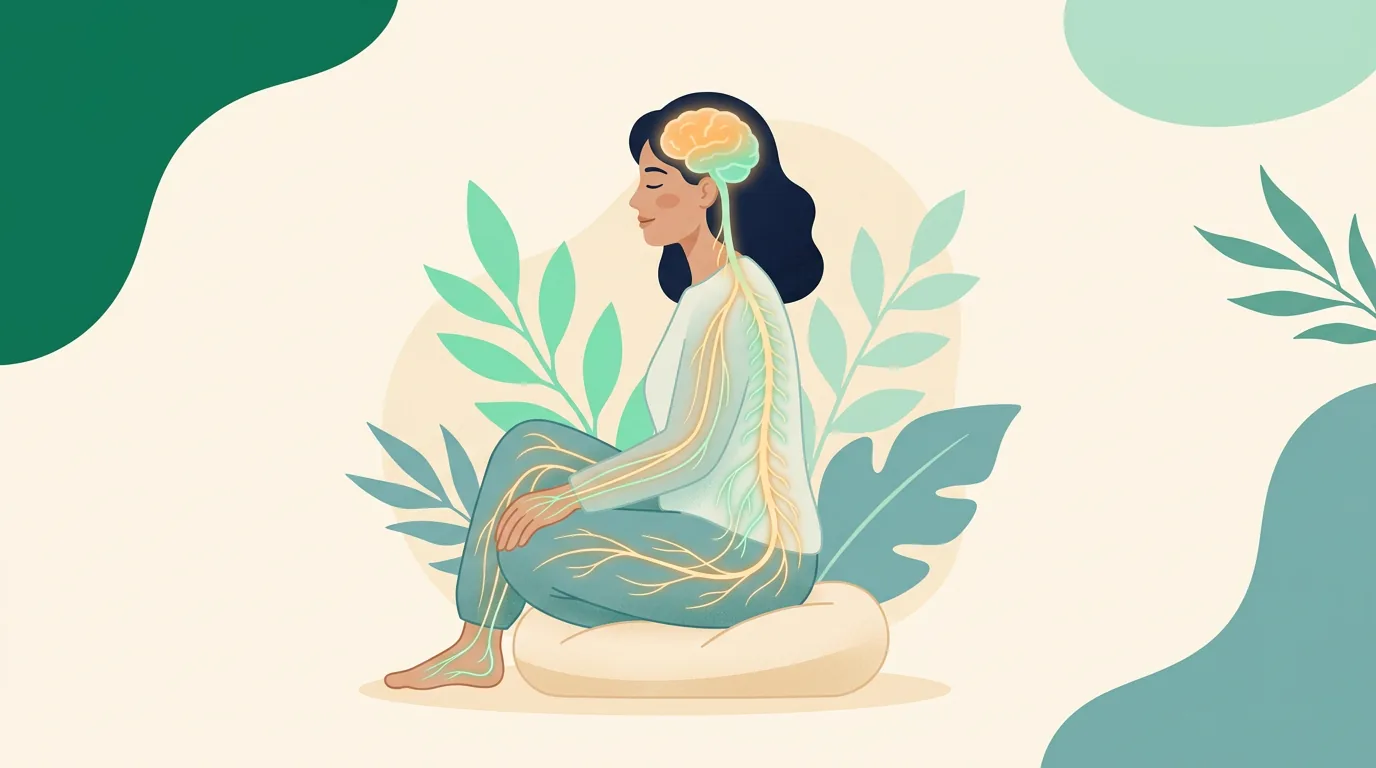
A nervous system reset means using simple habits, like slow breathing, movement, sleep and time with people, to help your body switch from stress mode to rest mode. It isn’t a medical treatment. The National Center for Complementary and Integrative Health (NCCIH) calls the goal the relaxation response: slower breathing, lower blood pressure and a slower heart rate.
What stress does to your body
MedlinePlus describes stress as a feeling of emotional or physical tension. Your body reacts by releasing hormones that make your brain more alert, tense your muscles and raise your pulse. In short bursts, that can help you deal with a challenge.
The problem is stress that doesn’t switch off. MedlinePlus calls stress that lasts for weeks or months chronic stress. Over time, it can raise your risk of high blood pressure, heart disease, diabetes, obesity, depression or anxiety, skin problems and period problems. Frequent aches, headaches and sleeping too little or too much can be signs of too much stress.
7 ways to reset your nervous system
These steps come from NCCIH, the NHS and the National Institute of Mental Health (NIMH). Pick one or two to start. Regular practice matters more than doing all seven at once.
Slow belly breathing
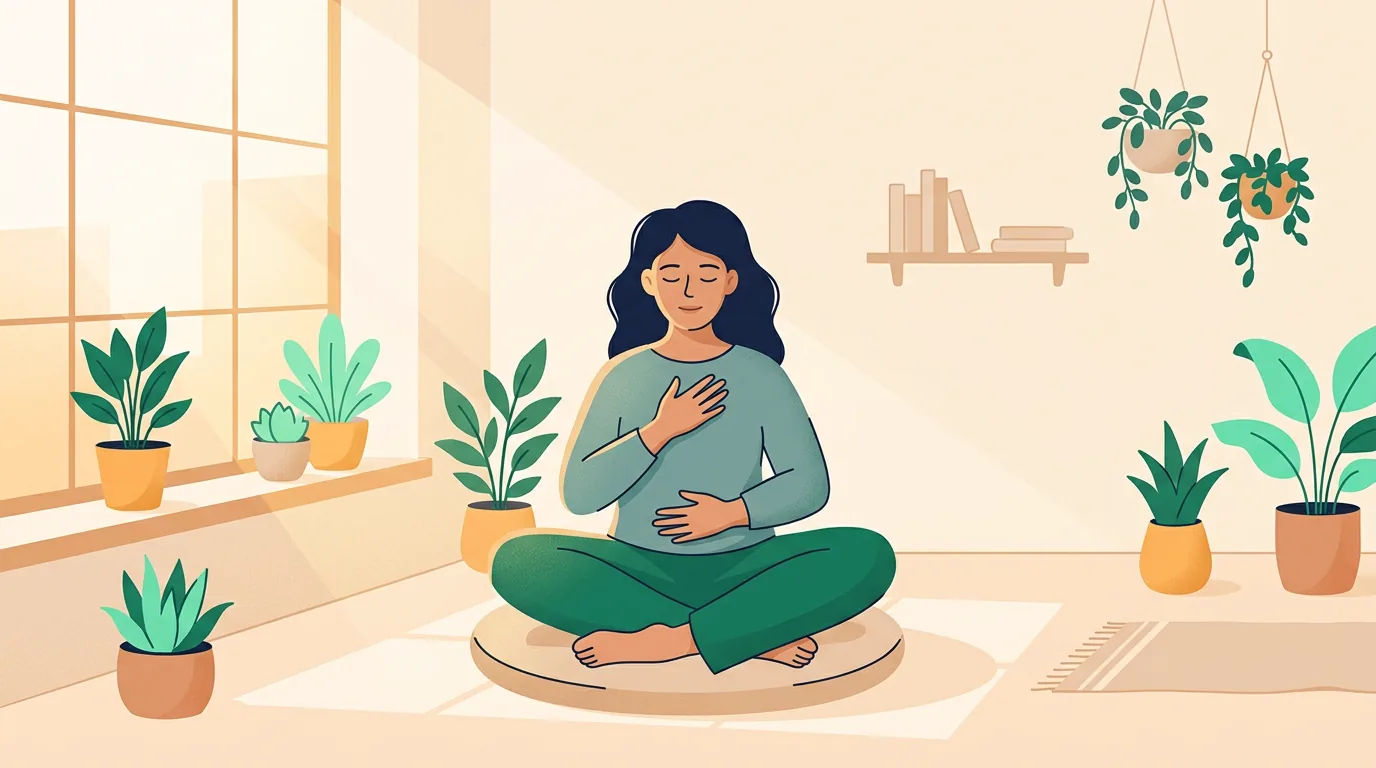
The NHS breathing exercise is simple. Sit, stand or lie down comfortably. Let your breath move deep into your belly without forcing it. Breathe in through your nose and out through your mouth, counting from 1 to 5 each way if that helps, and keep going for at least 5 minutes.
NCCIH says a 2019 review found early evidence that this kind of deep belly breathing may help reduce stress, and slow breathing led to a modest drop in blood pressure. The NHS says you’ll get the most benefit if you do it regularly.
Tense and release your muscles
Progressive relaxation means tensing one muscle group, like your shoulders, for a few seconds and then letting the tension go. Work from your feet up to your face. NCCIH lists it as one of the main relaxation techniques.
Picture a calm place
Guided imagery means picturing a calm scene, like a beach or a quiet forest, in as much detail as you can. NCCIH says the aim is for your body to feel as calm as the place you imagine.
Move your body
NIMH lists exercise and regular, healthy meals among its top ways to cope with stress. The CDC says physical activity has immediate and long-term health benefits. A brisk walk counts.
Protect your sleep
NIMH suggests keeping a sleep routine and getting enough sleep. The CDC recommends 7 or more hours a night for adults aged 18 to 60.
Cut back on caffeine
NIMH advises limiting extra caffeine, such as coffee and soft drinks. If your heart races or sleep is poor, a smaller coffee or an earlier last cup is an easy change.
Reach out to someone
NIMH suggests staying connected with friends or family who help you cope in a positive way. It also suggests keeping a journal and noticing and challenging unhelpful thoughts.
Nervous system reset breathing timer
Use this timer for a quick nervous system reset. It paces the NHS breathing exercise: in for 5, out for 5, for 5 minutes. Follow the circle as it grows and shrinks.
Follows the NHS steps: breathe in through your nose for a count of 5, out through your mouth for a count of 5, for at least 5 minutes. Nothing is saved or sent anywhere.
How it works: the timer counts about one number per second, switching between breathing in and breathing out every 5 counts, as the NHS steps describe. It runs entirely in your browser.
Which reset to try when
| Situation | Try this | Why it fits |
|---|---|---|
| Racing heart before a meeting | Slow belly breathing | The NHS says it takes a few minutes and can be done anywhere |
| Tight shoulders at your desk | Tense and release your muscles | Progressive relaxation is a core NCCIH technique |
| Mind racing at bedtime | Picture a calm place, then a regular sleep routine | NIMH lists a sleep routine as a coping step |
| Stressed all week | A walk most days and time with a friend | NIMH lists exercise and staying connected |
| Jittery after coffee | A smaller or earlier last cup | NIMH advises limiting extra caffeine |
What about vagus nerve hacks?
You’ll see videos promising to reset your vagus nerve with humming, gargling or cold water on your face. The relaxation techniques NCCIH has reviewed are breathing exercises, progressive relaxation, guided imagery, autogenic training, biofeedback and self-hypnosis. The viral hacks aren’t on that list.
NCCIH is also honest that much of the research on relaxation techniques is low quality. So keep expectations realistic: these habits can take the edge off stress, but they don’t cure anxiety or depression.
Who should be careful
NCCIH says relaxation techniques are generally safe for healthy people. Some people feel more anxious, have intrusive thoughts or fear losing control while trying them. There are rare reports of problems in people with epilepsy, certain mental health conditions, or a history of abuse or trauma, so talk to a health professional first if that applies to you. If you have high blood pressure, keep taking your prescribed treatment.
When to see a doctor
MedlinePlus and NIMH suggest getting help if:
- stress or anxiety gets in the way of everyday life, or seems to be there all the time
- you avoid things because of how you feel
- you feel overwhelmed, or stress is affecting your health
- you have panic symptoms like dizziness, fast breathing or a racing heartbeat
- you can’t work or function at home, or have fears you can’t control
- you keep having memories of a traumatic event
Need help now?
In the US, call or text 988 (988 Suicide & Crisis Lifeline) or chat at 988lifeline.org. In Australia, call Lifeline on 13 11 14 or text 0477 13 11 14. Elsewhere, contact your local crisis line. If someone is in immediate danger, call 911, 000 or your local emergency number.
Frequently asked questions
How do I reset my nervous system fast?
Try the NHS breathing exercise: breathe in through your nose and out through your mouth, slowly, counting to 5 each way, for at least 5 minutes. Tensing and releasing your shoulders also helps many people. For lasting change, practice regularly rather than only in a crisis.
How long does it take to reset a dysregulated nervous system?
There’s no set time, and “dysregulated nervous system” isn’t a medical diagnosis. A breathing exercise can calm you within minutes, and the NHS says regular practice brings the most benefit. If stress or anxiety lasts for weeks or affects daily life, see a doctor.
What are signs that my nervous system is stressed?
MedlinePlus lists frequent aches and pains, headaches, and sleeping too little or too much as possible signs of too much stress. A racing heart, fast breathing or dizziness can be signs of panic. If these keep happening, talk to a doctor.
Does caffeine make stress worse?
It can for some people. NIMH lists limiting excess caffeine, such as coffee or soft drinks, among its tips for coping with stress and anxiety. Try a smaller cup or an earlier last cup and notice whether you feel calmer or sleep better.
Can exercise calm your nervous system?
Yes, it’s one of the best-supported habits. NIMH lists exercise among its tips for coping with stress, and the CDC says physical activity has immediate and long-term health benefits. Even a short brisk walk is a good place to start.
Is a nervous system reset the same as therapy?
No. Relaxation habits can ease everyday stress, and NCCIH says a 2018 review found relaxation therapy reduced anxiety symptoms in people with anxiety disorders. But if anxiety or low mood is ongoing, a doctor or therapist can offer proven treatment.
The bottom line
A nervous system reset isn’t a hack. It’s a set of small habits that help your body leave stress mode: slow breathing, movement, sleep, less caffeine and people you trust. Start with 5 minutes of slow breathing today. If stress won’t ease or makes daily life hard, talk to a doctor.