
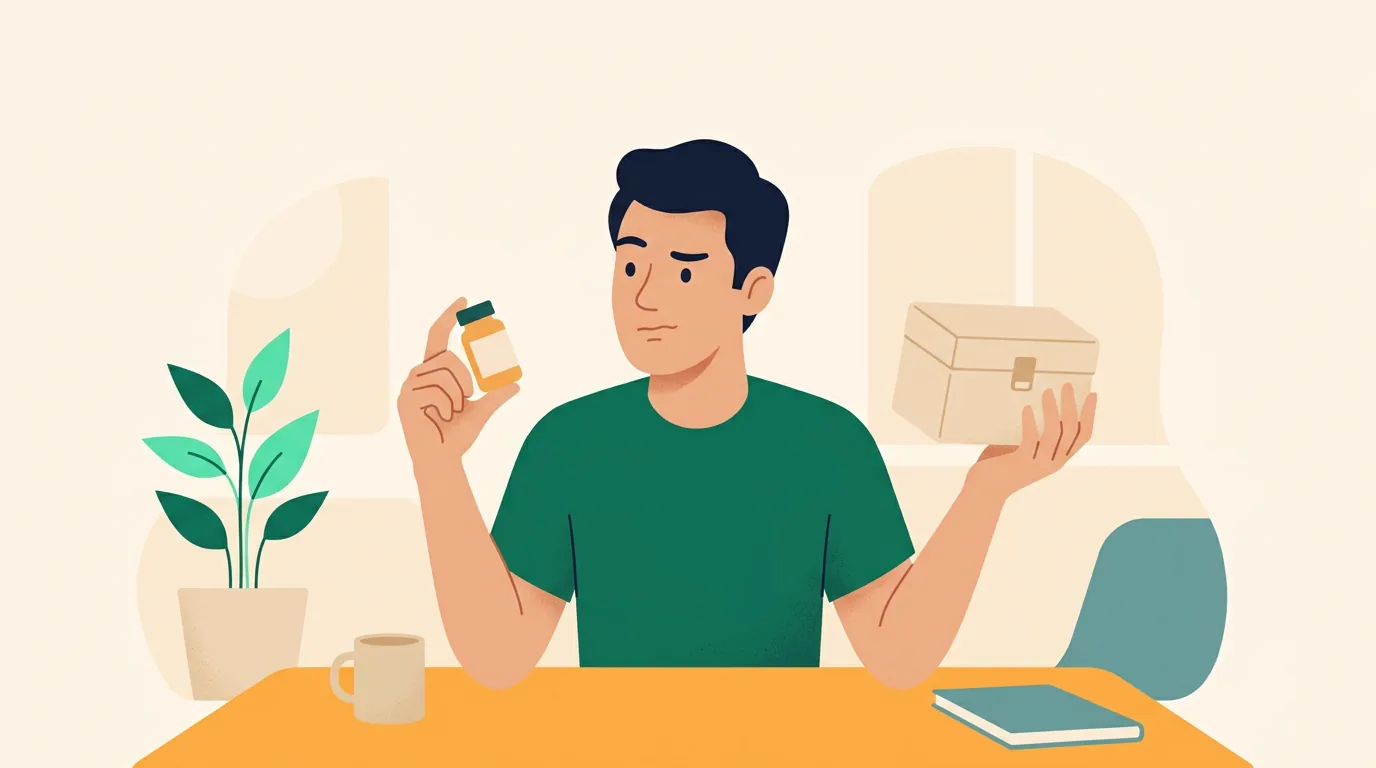
NAD injection clinics promise more energy, a sharper mind and slower aging. NAD+ (nicotinamide adenine dinucleotide) is a real and important molecule in every cell, and its levels fall as we age. But does putting it in a needle, or a pill, make you healthier?
Here’s what the human research shows, what the FDA has warned about, and what actually helps with low energy.
Key takeaways
- A 2026 review of 113 studies found no outcome trials of injected or IV NAD+ for anti-aging or wellness.
- Oral NAD+ boosters raise NAD-related levels in the blood and are generally well tolerated, but their effects on health have been mixed and often null.
- The FDA says compounded drugs aren’t FDA-approved, and it has received reports of severe chills, shaking, vomiting and fatigue after NAD+ injections.
Does an NAD injection work?
There’s no good evidence that an NAD injection improves energy, aging or wellness. A 2026 systematic review found no outcome trials of injected or IV NAD+ for these uses. Oral NAD+ boosters do raise NAD levels in the blood, but their health benefits are unproven. Injections also come with safety concerns the FDA has flagged.
What NAD+ is
NAD+ is a coenzyme your cells use to turn food into energy, repair DNA and carry out many other basic jobs. A 2026 systematic review notes that NAD+ levels decline with age, which is why “NAD+-boosting” has become a wellness trend.
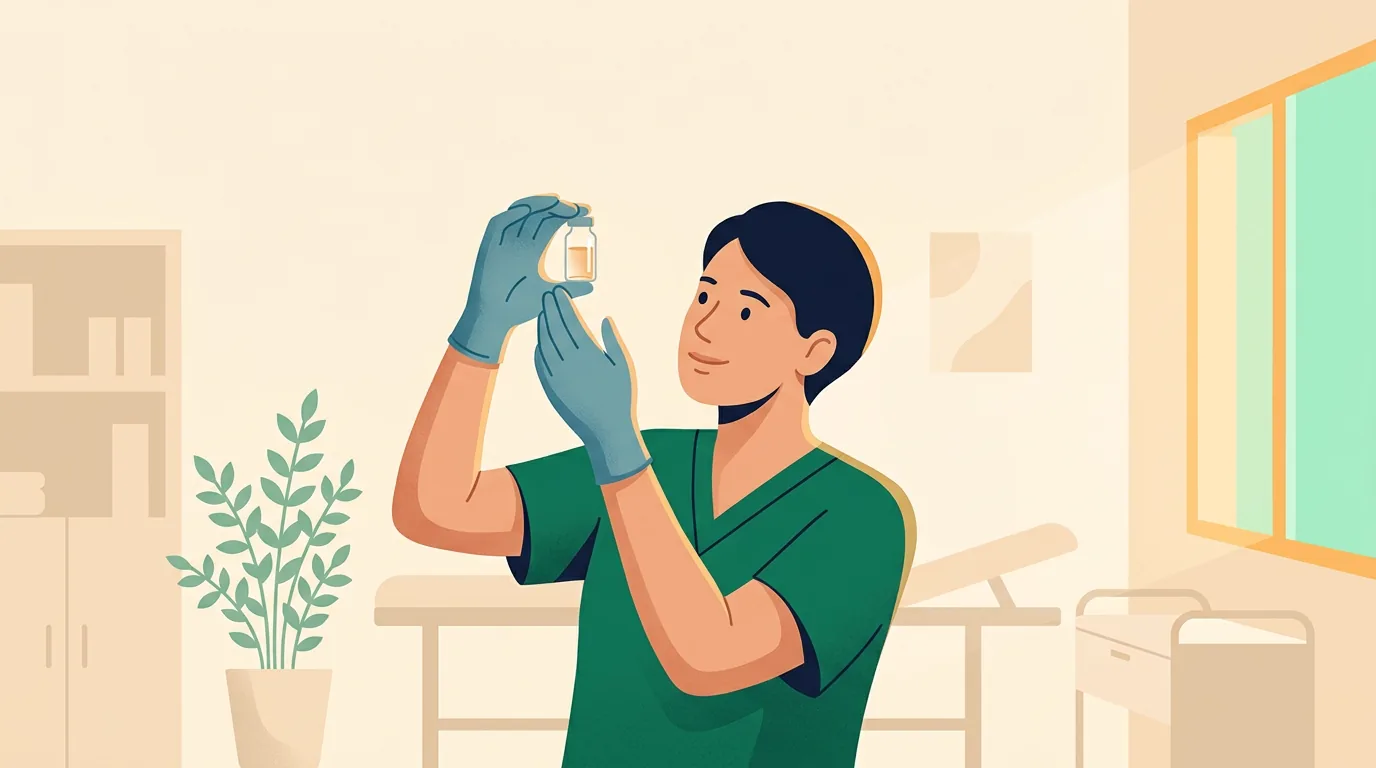
The boosters come in two main forms: pills and powders with NAD+ precursors, such as nicotinamide riboside (NR) and nicotinamide mononucleotide (NMN), and NAD+ given by IV drip or injection at clinics.
NAD injections vs supplements
| Type | What the studies show | Safety notes |
|---|---|---|
| IV or injected NAD+ | No outcome trials for anti-aging or wellness (2026 review) | FDA reports of severe chills, shaking, vomiting and fatigue linked to contaminated compounded products |
| Oral NR or NMN | Raise NAD-related levels in blood; health effects mixed and often null | Generally well tolerated over weeks to months |
| Oral NADH | 10 small trials in different health conditions, with some benefits on measures like quality of life | Side effects included muscle pain, fatigue, sleep problems and headaches, none serious |
What the research shows
The 2026 review looked at 113 studies. Of these, 33 were in people and 80 were in rodents. In rodents, raising NAD+ often helped things like metabolism and inflammation.
In people, oral NR and NMN reliably raised NAD levels in the blood. But the effects on real health results, like metabolism, blood vessels or physical strength, were mixed and often showed no benefit.
For injections, the gap is bigger. The review found no outcome trials of IV or injected NAD+ for anti-aging or wellness. There was only a small IV study and a pilot that tracked how the body handles it. The authors called the evidence inconclusive and asked for bigger, longer trials.
A 2024 systematic review looked at 10 trials with 489 people taking oral NADH. It was generally safe, with possible benefits in some conditions, such as chronic fatigue syndrome. Side effects included muscle pain, nerve complaints, tiredness, sleep problems and headaches. None were serious.
NAD injection safety concerns
In October 2024, the FDA said some compounding pharmacies were using food-grade NAD+ to make IV products. Food-grade ingredients can carry germs and toxins called endotoxins. The FDA got reports of severe chills, shaking, vomiting and fatigue after NAD+ injections. Some people needed medical care. The FDA said these reactions fit with endotoxin contamination.
The FDA also explains that compounded drugs aren’t FDA-approved. That means the agency doesn’t check their safety, how well they work, or their quality before they’re sold. Poor compounding can cause serious harm.
If you still choose a clinic, ask:
- Is the NAD+ compounded, and which pharmacy made it?
- Is the ingredient made for use in drugs, not food or supplements?
- Who is the medical professional supervising, and what happens if I react?
- What studies show this will help my specific problem?

Better ways to boost energy
- Sleep: the CDC recommends 7 or more hours a night for adults aged 18 to 60.
- Move: the CDC recommends at least 150 minutes of moderate activity, such as brisk walking, each week.
- Check the basics: regular meals, water and less alcohol help many people feel better.
- Get checked: ongoing tiredness can have medical causes that need a doctor’s visit, not an infusion.
When to see a doctor
- You’ve felt tired or foggy for weeks without a clear reason.
- You have chills, shaking, vomiting or feel very unwell after an NAD+ injection. Get medical help, and you can report it to the FDA’s MedWatch program.
- You’re pregnant, breastfeeding, have a health condition or take medicines and are thinking about NAD+ products.
Frequently asked questions
Does NAD+ IV actually work?
There’s no good evidence that it does for energy, anti-aging or wellness. A 2026 systematic review found no outcome trials of IV or injected NAD+ for these uses. Most human research is on oral precursors, and even there the health benefits are mixed and often null.
Are NAD injections safe?
Their safety hasn’t been well studied. The FDA has received reports of severe chills, shaking, vomiting and fatigue after NAD+ injections, linked to contaminated compounded products. Compounded drugs aren’t FDA-approved, so their quality isn’t checked before they’re sold.
NAD injection vs supplements: which is better?
Neither has strong evidence for health benefits. Oral NR and NMN reliably raise NAD-related levels in the blood and are generally well tolerated in studies. Injections have no outcome trials for wellness and carry extra risks from compounding and needles.
What are the side effects of NAD supplements?
A 2024 review of oral NADH trials reported muscle pain, nervous system complaints, fatigue, sleep problems and headaches, none of them serious. Reviews of NR and NMN found them generally well tolerated over weeks to months.
Is NAD like Adderall?
No. NAD+ is a coenzyme your cells use to make energy, not a stimulant medicine. We found no studies comparing NAD+ products with ADHD medicines. If you’re struggling with focus, talk to a doctor about proven options.
Can NAD+ help with depression?
There’s no good evidence that NAD+ treats depression. A 2024 review noted less anxiety in some small trials of oral NADH, but these weren’t depression treatment studies. If you feel low for more than two weeks, see a doctor or call or text 988 in the US.
The bottom line
An NAD injection isn’t backed by outcome trials for energy or anti-aging, and the FDA has flagged reactions linked to contaminated compounded products. Oral NAD+ boosters raise blood levels but haven’t clearly improved health. For more energy, start with sleep, activity and a check-up.
Related reading
- Can you take expired vitamins?
- Supplements to strengthen blood vessels: honest picks
- Can vitamin B12 deficiency be a sign of cancer?
Sources
- Gallagher C, Emmanuel OO. NAD+ supplementation for anti-aging and wellness: a systematic review. Ageing Res Rev, 2026
- Gindri IM, et al. Evaluation of safety and effectiveness of NAD in different clinical conditions: a systematic review. Am J Physiol Endocrinol Metab, 2024
- FDA: FDA reminds compounders to use ingredients suitable for sterile compounding (30 Oct 2024)
- FDA: Compounding and the FDA: Questions and Answers
- CDC: About Sleep
- CDC: Adult Activity: An Overview