

Sciatica pain can turn sitting, standing and even sleeping into a struggle. If you’re looking for sciatic nerve pain relief you can start at home, the good news is that most sciatica gets better on its own, and staying gently active helps.
This guide explains what sciatica is, 8 gentle exercises from an NHS physiotherapy team with a guided timer, how to use heat, ice and painkillers safely, and the warning signs that need urgent care.
Key takeaways
- The NHS says sciatica usually gets better in a few weeks to a few months, though it can come back.
- Keep up your normal activities as much as you can. MedlinePlus says bed rest is not recommended.
- Sciatica in both legs, numbness around your bottom or genitals, or new bladder or bowel problems need emergency care.
Fast sciatic nerve pain relief
For sciatic nerve pain relief at home, keep moving as normally as you can, do gentle stretches like knee rolls and knee hugs, and use ice for the first 48 to 72 hours, then heat. Ask a pharmacist about painkillers. Avoid long periods of sitting or lying down, and see a doctor if it isn’t improving.
What is sciatica?
Sciatica happens when something presses on or damages the sciatic nerve, which runs from your lower back down each leg, says MedlinePlus. Common causes include a slipped (herniated) disk, narrowing of the spine called spinal stenosis, and piriformis syndrome, where a muscle in your buttock irritates the nerve.
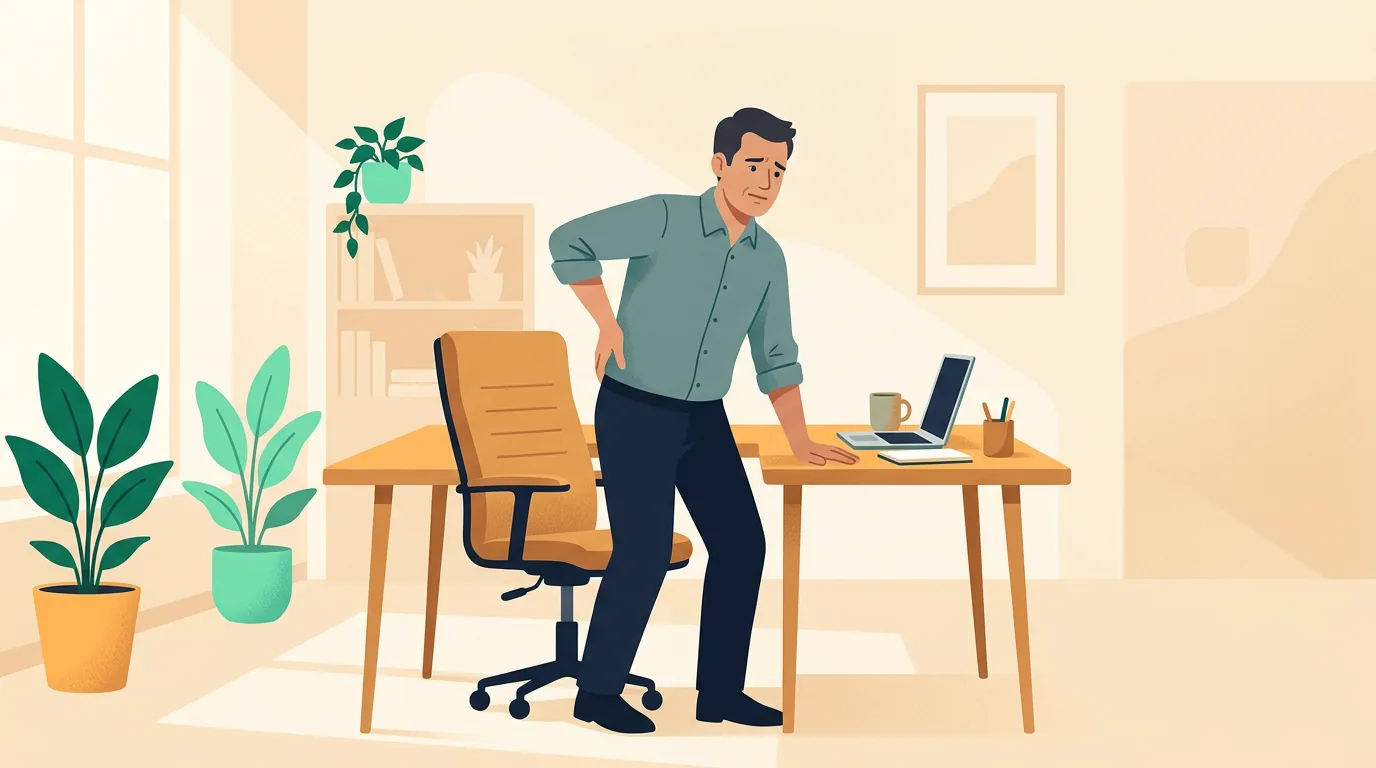
The NHS says symptoms usually affect your bottom and the back of one leg. You might feel sharp or burning pain, tingling, numbness or weakness. MedlinePlus adds that the pain is often worse after sitting or standing, or when you sneeze, cough or strain.
Sciatica exercises to try
These 8 sciatica exercises come from the physiotherapy team at Sussex Community NHS Foundation Trust. They are a gentle, low-cost route to sciatic nerve pain relief, and the advice is simple: only do each one as far as pain allows. Start with one set and build up to 3 to 5.
1. Knee rolls
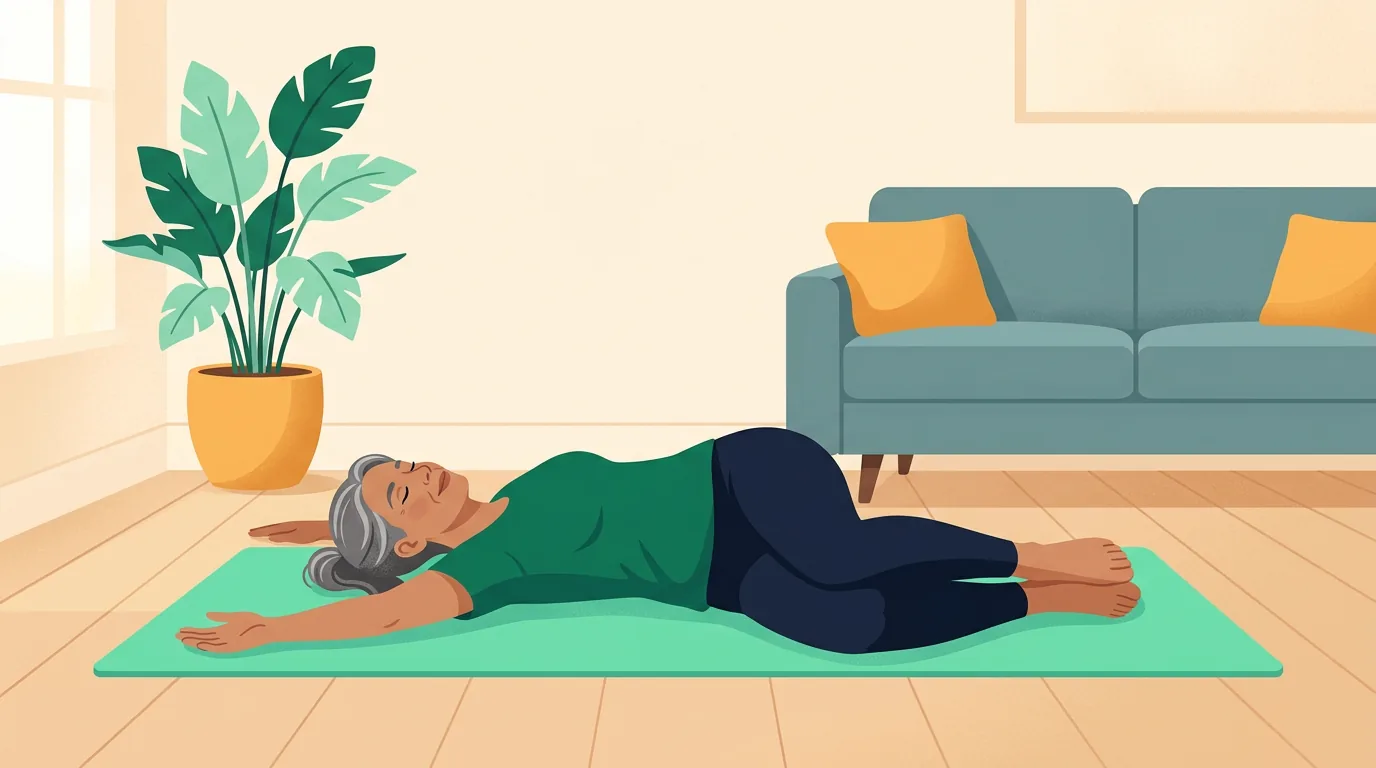
Lie on your back with your knees bent. Slowly drop both knees to one side and hold for 5 seconds, then come back to the middle and switch sides. Keep going for 30 seconds.
2. Knee hugs
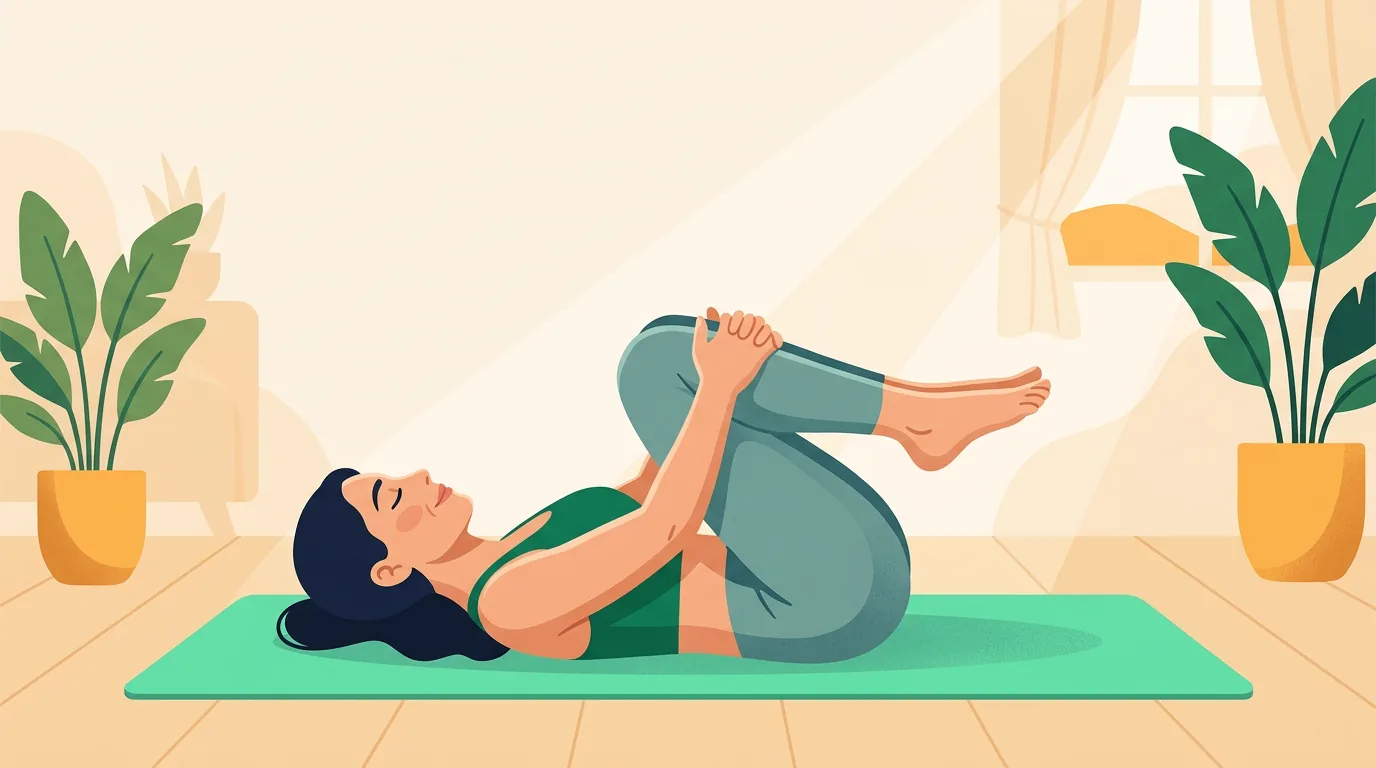
Lie on your back, bend your knees and lift them up. Use your hands to pull your knees gently toward your chest and hold for 20 to 30 seconds. Repeat 3 to 5 times.
3. Cat-cow stretch
On your hands and knees, arch your mid-back up toward the ceiling. Then reverse it, tilting your pelvis to let your lower back curve down. Move slowly between the two for 30 seconds.
4. Child’s pose stretch
Kneel, then lower your upper body toward the floor until your forehead rests on or near it, with your arms stretched out and palms flat. Hold for 10 seconds and repeat for 30 seconds.
5. Bridge
Lie on your back with your knees bent and feet flat. Tighten your lower tummy, squeeze your buttocks and lift your bottom off the floor. Hold for 5 seconds, lower and repeat for 30 seconds.
6. Standing forward bend
Stand with your feet shoulder-width apart. Slowly roll forward, sliding your hands down your legs until you feel a stretch in your lower back. Hold for 5 to 10 seconds, then stand back up. Repeat 3 to 5 times.
7. Standing side bend
Stand with your feet shoulder-width apart and arms by your sides. Slide one hand down the side of your leg toward your knee until you feel a stretch on the other side. Hold for 20 to 30 seconds. Repeat 3 to 5 times each side.
8. Marching on the spot
Stand tall and march in place, lifting your knees to a comfortable height at a pace you can control. Do 3 sets of 30 seconds.
Guided sciatica routine
Want to follow along? This timer walks you through the 5 floor exercises above, about 30 seconds each, with a short rest between. Stop any move that makes your pain worse.
Five gentle floor exercises from an NHS physiotherapy sheet, 30 seconds each with 15-second rests. Only go as far as pain allows. Nothing is saved or sent anywhere.
Sciatic nerve pain relief tips
For sciatic nerve pain relief beyond exercise, MedlinePlus suggests ice for the first 48 to 72 hours, then heat. The NHS also suggests holding heat packs on the painful area.
For painkillers, MedlinePlus mentions over-the-counter options like ibuprofen or acetaminophen (paracetamol). The NHS notes that paracetamol on its own is unlikely to help sciatica, so ask a pharmacist which is right for you. Follow the label, and check first if you're pregnant, have stomach, kidney or heart problems, or take other medicines.
What to avoid
- Long rest in bed. MedlinePlus says bed rest is not recommended.
- Sitting or lying down for long stretches. The NHS says moving may hurt, but it isn't harmful and can help you get better faster.
- Heavy lifting or twisting your back for the first 6 weeks after the pain starts, as MedlinePlus advises.
MedlinePlus suggests cutting back on activity for the first couple of days, then slowly getting back to normal, and starting back exercises early.
How long does sciatica last?
The NHS says sciatica usually gets better in a few weeks to a few months, but it can sometimes last longer, and it can come back. MedlinePlus agrees that it often gets better on its own but commonly returns. For sciatica pain relief in the meantime, regular, gentle exercise is one of the main things the NHS suggests.
When to see a doctor
See a doctor if your sciatica hasn't improved after a few weeks of home treatment, is getting worse, or stops you doing your normal activities, the NHS advises. MedlinePlus also says to get help if back pain lasts longer than 4 weeks, or comes with a fever, follows a bad fall, or wakes you at night.
Call 911 or your local emergency number if you have:
- Sciatica in both legs
- Severe or worsening weakness or numbness in your legs
- Numbness around your genitals or bottom
- New trouble peeing, or loss of control of your bladder or bowels
The NHS says these can be signs of a serious back problem that needs treatment in hospital.
Frequently asked questions
What is the fastest way to relieve sciatic nerve pain?
There is no instant sciatic nerve pain relief, but the NHS and MedlinePlus suggest staying active, doing gentle stretches, using ice for the first 48 to 72 hours and then heat, and asking a pharmacist about painkillers. Avoid long rest in bed or long periods of sitting.
Can I walk with sciatica?
Yes, for most people. The NHS says to carry on with your normal activities as much as possible, and that moving may hurt but is not harmful and can help you recover faster. Stop and see a doctor if pain or weakness is getting worse.
What are the symptoms of sciatica?
The NHS says sciatica usually affects your bottom and the back of one leg, with sharp or burning pain, tingling, numbness or weakness. MedlinePlus adds that pain often gets worse after sitting or standing, or when you sneeze or cough.
What is piriformis syndrome?
Piriformis syndrome is a pain disorder in which the piriformis, a narrow muscle in the buttock, presses on or irritates the sciatic nerve. MedlinePlus lists it as one of the causes of sciatica, along with herniated disks and spinal stenosis.
Should I use heat or ice for sciatica?
MedlinePlus suggests trying ice for the first 48 to 72 hours after the pain starts, then switching to heat. The NHS also suggests holding heat packs on the painful area.
How long does sciatica take to heal?
The NHS says sciatica usually gets better in a few weeks to a few months, but it can last longer and can come back. See a doctor if it has not improved after a few weeks of home treatment.
When is sciatica an emergency?
Call emergency services if you have sciatica in both legs, severe or worsening leg weakness or numbness, numbness around your genitals or bottom, or new bladder or bowel problems. The NHS says these can be signs of a serious back problem.
The bottom line
Most sciatic nerve pain relief starts at home: keep moving, do gentle stretches like knee rolls and knee hugs, and use ice and then heat. The NHS says sciatica usually gets better within a few weeks to a few months. Get emergency help for sciatica in both legs, numbness around your bottom or genitals, or new bladder or bowel problems.