

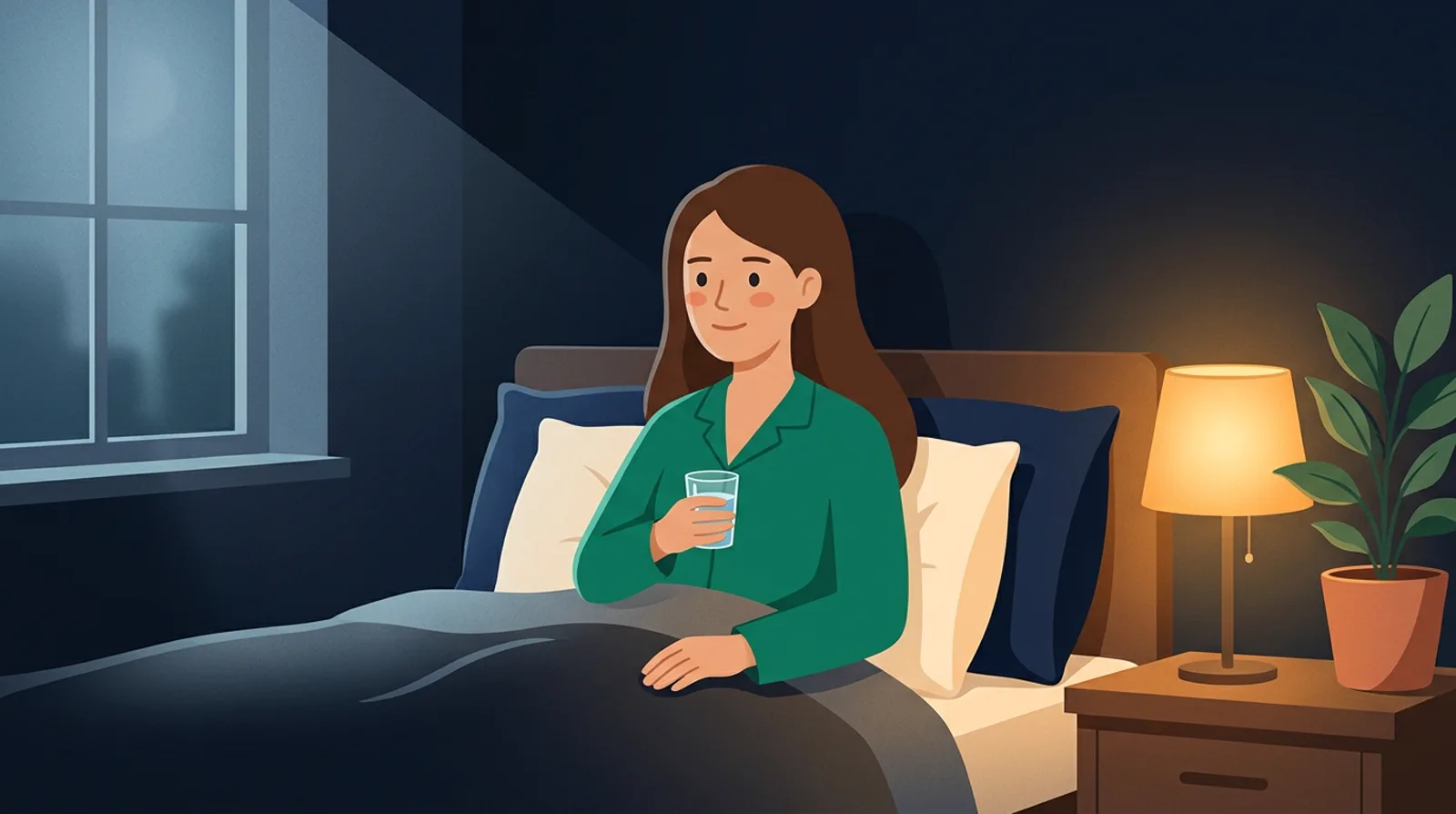
It’s dark, the house is quiet, and you’re wide awake. Again. You check the time: 3am. If you keep asking yourself “why do I wake up at 3am?”, you’re far from alone, and there’s usually a simple reason.
This guide covers 9 common causes, a quick checker to spot yours, what to do when you wake up, and when it’s worth seeing a doctor. Every fact comes from the NHS, the CDC or the US National Institutes of Health (NIH).
Key takeaways
- The NHS says waking several times a night, or waking early and not getting back to sleep, can be signs of insomnia.
- Stress, a room that is too hot or noisy, alcohol, caffeine and nicotine are common causes, the NHS says.
- If you’re awake for about 20 minutes, the NHS suggests getting up and doing something calm until you feel sleepy.
Why do I wake up at 3am?
Waking at 3am usually happens when you surface briefly between sleep cycles and something keeps you awake, like stress, alcohol, caffeine, needing the toilet, a warm or noisy room, or a nap that took the edge off your sleep drive. It’s more common as you get older. If it happens most nights and leaves you tired, the NHS says it may be insomnia.
Why the middle of the night?
To answer why do I wake up at 3am, start with how sleep works. Sleep comes in cycles. The National Institute on Aging (part of the NIH) says most people go through 3 to 5 cycles of non-REM and REM sleep a night. Deep sleep is part of non-REM sleep, and REM is when dreaming usually happens.
Between cycles, brief wake-ups are common, and most of the time you don’t remember them. Trouble starts when something keeps you awake once you surface: a full bladder, a busy mind, a hot room. For many people, one of those between-cycle moments falls in the early hours.
You may read online that a 3am cortisol spike is to blame. The health sources we checked don’t say that, so we don’t treat it as fact here.
9 common causes
1. Stress and worry
The NHS lists stress, anxiety and depression as common causes of insomnia. The NHLBI adds that worrying about getting enough sleep can make it worse, which is why 3am wake-ups can turn into a cycle.
2. Alcohol
A drink might help you nod off, but the NHS lists alcohol as a cause of insomnia and advises avoiding it for at least 6 hours before bed.
3. Caffeine
The NHS also says to avoid caffeine for at least 6 hours before bed. The CDC suggests avoiding it in the afternoon or evening.
4. Nicotine and quitting
The NHS lists nicotine as a cause of poor sleep. And if you’ve just quit vaping or smoking, the National Cancer Institute says trouble sleeping is a common withdrawal symptom that eases with time. Our guide to vaping withdrawal symptoms explains what to expect.
5. Needing the toilet
MedlinePlus says drinking a lot in the evening, or having caffeine or alcohol with or after dinner, can make you wake up to pee. Other causes include a bladder infection, an enlarged prostate, pregnancy, diabetes and some medicines like water pills.
6. A hot, noisy or bright room
The NHS names noise, a room that’s too hot or cold, and an uncomfortable bed as common causes. See our guide to the best temperature for sleep to get your room right.
7. Naps and early nights
Long daytime naps or going to bed very early can use up your sleep drive, so you wake in the early hours. The NHS advises avoiding naps and only going to bed when you’re sleepy.
8. Getting older, pain and medicines
NIA says that as we age, sleep tends to be shorter and lighter, and we may wake more often in the night. Illness, medicines, mental health and pain can all make it harder to sleep well.
9. Health conditions
The NHS lists an overactive thyroid, menopause and restless legs syndrome among health causes. NIA adds that sleep apnea, where breathing pauses during sleep, becomes more common with age.
Find your likely cause
Still wondering why do I wake up at 3am? Tick what sounds like you, and the checker lists what to try first.
Tick anything that sounds like you. Nothing is saved or sent anywhere.
What to do when you wake up
| Do | Why |
|---|---|
| Stay calm and keep the lights low | Worrying about being awake can make it harder to drift off again |
| Don’t check the time or your phone | Screens and clock-watching keep your mind busy |
| Try slow breathing or a relaxation routine | It gives your mind something calm to focus on |
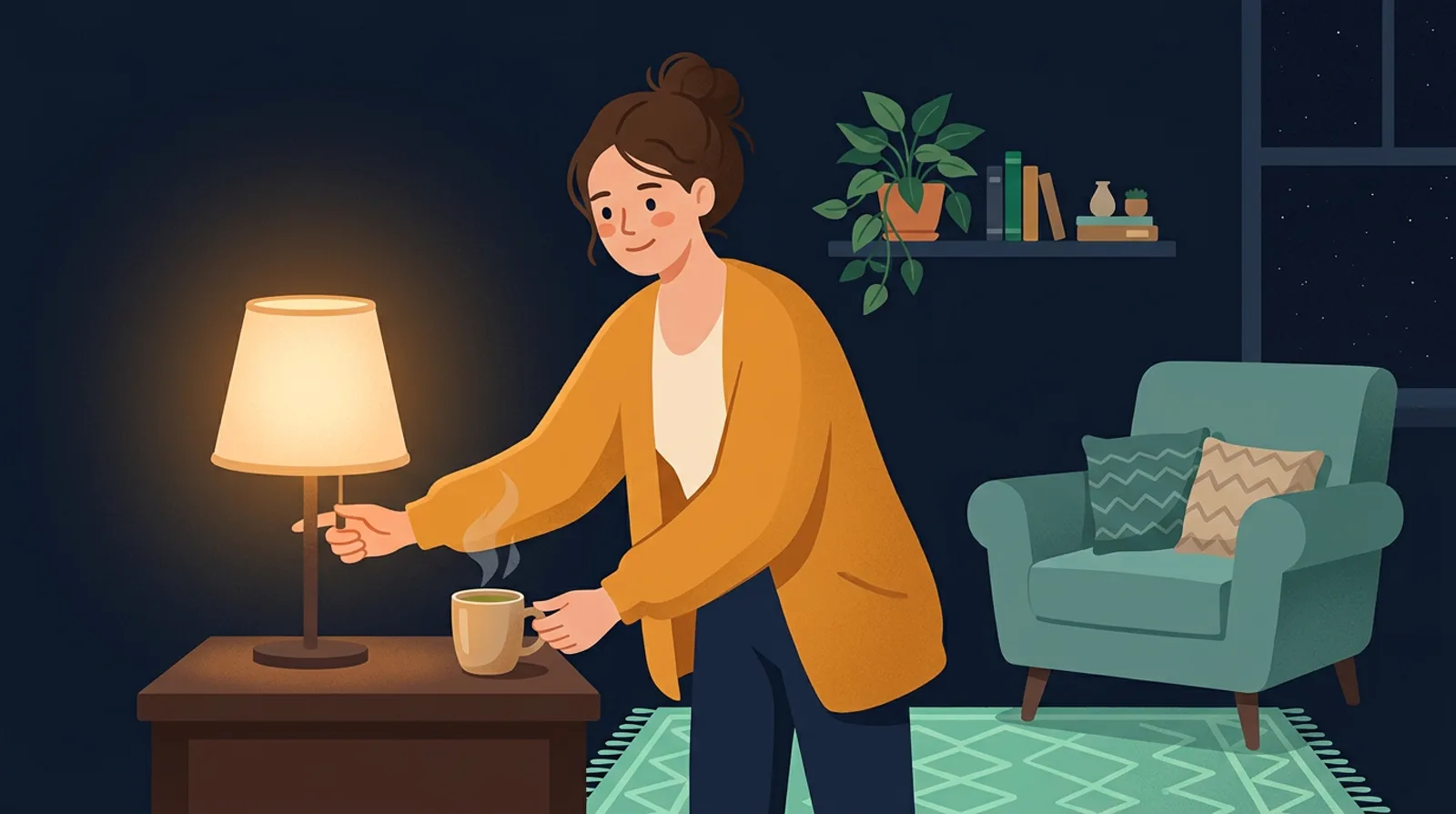
| After about 20 minutes, get up | The NHS suggests sitting somewhere comfortable and doing something quiet |
| Go back to bed when sleepy | This helps your brain link bed with sleep |
For a step-by-step wind-down, try our military sleep method guide, or the 54321 grounding technique if your mind is racing.
How to stop waking at 3am
- Go to bed and get up at the same time every day, even at weekends (CDC, NHS).
- Relax for at least an hour before bed, and keep your bedroom dark and quiet (NHS).
- Keep your room cool (CDC).
- No caffeine, alcohol or nicotine for at least 6 hours before bed (NHS).
- Turn off screens at least 30 minutes before bed (CDC).
- Skip daytime naps (NHS).
- Drink less in the evening if you wake to pee (MedlinePlus).
How much sleep is enough? The CDC says adults aged 18 to 60 need at least 7 hours a night, and adults 65 and over need 7 to 8 hours.
When to see a doctor
The NHS says to see a GP if changing your sleep habits hasn’t helped, you’ve had trouble sleeping for months, or it’s making daily life hard to cope with.
See a doctor sooner if you snore loudly or someone sees you stop breathing in your sleep, if you wake up to pee many nights in a row, or if peeing hurts or there’s blood in your urine (MedlinePlus). Also talk to a doctor if low mood or anxiety is keeping you awake.
Frequently asked questions
How do I break the cycle of waking up at 3am?
Keep the same bed and wake times every day, cut caffeine, alcohol and nicotine for 6 hours before bed, and skip naps. When you wake, don’t check the time. If you’re awake for about 20 minutes, the NHS suggests getting up and doing something calm until you feel sleepy.
What is the myth about waking up at 3am?
Online, waking at 3am is often linked to spiritual meanings or a set hormone spike. The health sources we checked don’t support those ideas. Waking in the night is usually about lighter sleep combined with everyday triggers like stress, alcohol, caffeine or needing the toilet.
How do I stop cortisol spikes at 3am?
The health sources we checked don’t describe a 3am cortisol spike, so we can’t give advice on that. What helps most people is managing stress, keeping a steady sleep schedule, and avoiding caffeine, alcohol and nicotine late in the day. See a doctor if poor sleep lasts for months.
What is your body telling you when you wake up at 3am?
Often, just that you surfaced between sleep cycles and something kept you awake: a full bladder, worry, heat or noise. If it happens most nights and you feel tired in the day, it may be insomnia, and the NHS suggests seeing a GP if habits don’t help.
Is waking up at 3am normal?
Brief wake-ups between sleep cycles are normal, and many people don’t remember them. It becomes a problem when you can’t get back to sleep, it happens often, and you feel tired in the day. NIA says waking more often at night is also more common with age.
Why do I wake up at 3am and can’t go back to sleep?
Stress and worry are a common reason, the NHS says, and worrying about sleep can make it worse. Alcohol, caffeine, nicotine and a warm or noisy room also play a part. Try getting up after about 20 minutes and doing something calm.
Does waking at 3am mean anxiety?
It can. The NHS lists stress, anxiety and depression as common causes of insomnia. But there are many other causes too, like alcohol, caffeine or needing the toilet. If anxiety is keeping you awake or affecting your days, talk to a doctor.
The bottom line
Why do I wake up at 3am? Usually it’s a brief wake-up between sleep cycles plus a trigger like stress, alcohol, caffeine, nicotine, a full bladder or a warm, noisy room, and it gets more common with age. A steady routine, a cool and dark bedroom and fewer late stimulants help most people. If it lasts for months, see a doctor.
Related reading
- Best temperature for sleep: 7 simple ways to stay cool
- Military sleep method: 5 simple steps to fall asleep
- What is core sleep? A simple guide
- Vaping withdrawal symptoms: what to expect
Sources
- NHS: Insomnia (reviewed 19 Mar 2024)
- CDC: About Sleep (15 May 2024)
- National Institute on Aging (NIH): Sleep and Older Adults
- NHLBI (NIH): Insomnia, causes and risk factors (24 Mar 2022)
- MedlinePlus (NIH): Frequent or excessive urination at night (reviewed 1 Jul 2025)
- National Cancer Institute (NIH): Handling nicotine withdrawal and triggers